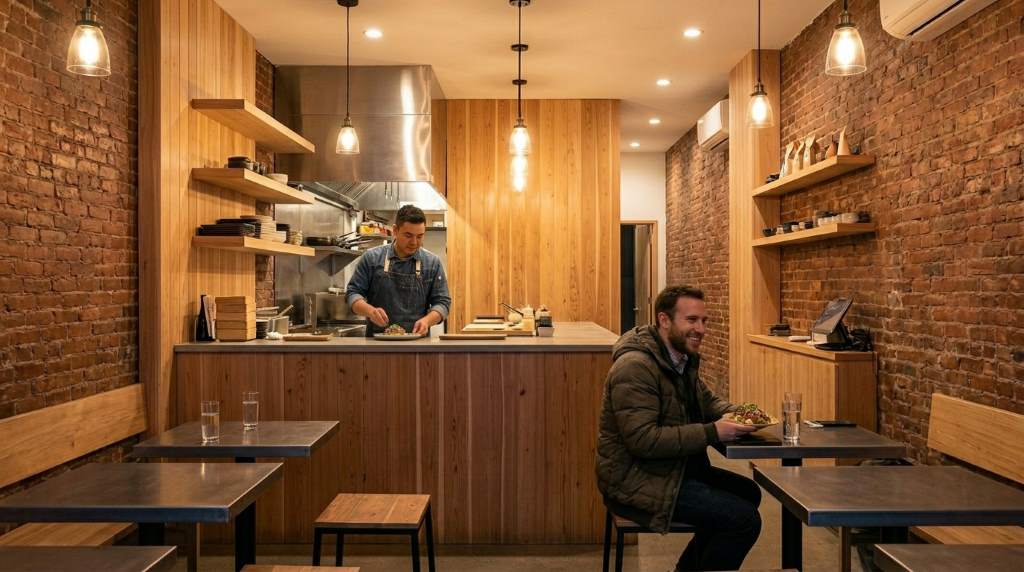
New York City continues to shape global dining trends, and Japanese fusion cuisine now stands at the center of that movement. According to the National Restaurant Association, more than 60% of diners actively seek international flavors when eating out in major cities. Additionally, food delivery platforms reported a strong rise in searches for fusion sushi, ramen tacos, and Japanese-inspired comfort food during the last two years. Many chefs now combine Japanese precision with New York creativity to create memorable meals that appeal to younger diners and experienced food lovers alike. This shift also reflects the growing japanese food influence on global cuisine across restaurants, cafes, and modern hospitality spaces.
The Rise of Japanese Fusion Dining in New York
New York has always welcomed culinary innovation because the city thrives on diversity and experimentation. Japanese fusion restaurants now blend local ingredients with traditional Japanese methods to create dishes that feel modern yet authentic. Many neighborhoods in Manhattan and Brooklyn feature chefs who combine sushi, Latin spices, Korean marinades, and American comfort food in one menu. As a result, diners experience unique flavor combinations without losing the clean presentation associated with Japanese cuisine. This trend continues to expand because customers want meals that feel exciting, social, and visually impressive.
Food culture in New York changes quickly because consumers constantly search for fresh experiences and social media-worthy dishes. Japanese fusion dining fits perfectly into this environment because chefs can experiment with textures, sauces, and presentation styles. Moreover, younger diners often prefer restaurants that combine familiar ingredients with international cooking techniques. Many fusion restaurants also focus on seasonal menus, which keeps customers returning throughout the year. Consequently, Japanese-inspired fusion dining has become a major part of the city’s competitive restaurant scene.
Why Japanese Fusion Appeals to New Yorkers
Busy New Yorkers often look for meals that feel high quality while remaining approachable and convenient. Japanese fusion dining satisfies that need because it combines refined cooking techniques with bold and comforting flavors. Many restaurants offer small plates, tasting menus, and customizable dishes that fit modern dining habits. Furthermore, fusion menus attract both adventurous eaters and customers who may not usually try traditional Japanese cuisine. This broad appeal allows restaurants to attract large groups with different food preferences.
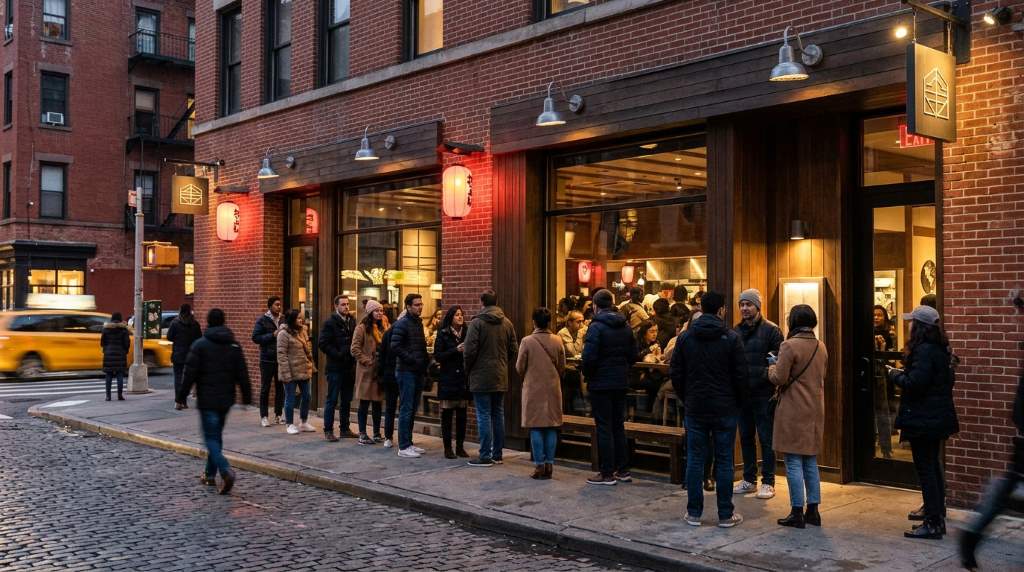
Health-conscious consumers also contribute to the popularity of Japanese fusion restaurants across the city. Traditional Japanese ingredients such as seafood, rice, fermented vegetables, and light broths naturally align with wellness-focused eating habits. At the same time, fusion chefs add richer elements like truffle oil, smoked meats, or spicy sauces to satisfy customers seeking indulgent flavors. Many diners appreciate this balance because they can enjoy flavorful meals without feeling overly heavy afterward. Therefore, Japanese fusion dining successfully bridges healthy eating and modern comfort food culture.
Popular Japanese Fusion Dishes Trending in NYC
Several fusion dishes have become especially popular in New York because they blend creativity with recognizable ingredients. Sushi burritos combine large sushi rolls with the portability of street food, making them ideal for busy professionals. Ramen burgers continue attracting attention because they replace traditional buns with crispy ramen noodle patties. Additionally, wagyu tacos topped with pickled vegetables and spicy mayo now appear on menus throughout trendy dining districts. These dishes succeed because they mix Japanese precision with flavors that feel familiar to local customers.
Chefs also experiment with desserts and beverages inspired by Japanese ingredients and aesthetics. Matcha-flavored pastries, black sesame ice cream, and yuzu cocktails now appear in many upscale restaurants and cafes. During New York’s cold winters, fusion ramen dishes with smoky broths and spicy toppings become especially popular among residents seeking warm comfort food. Summer menus often feature lighter seafood plates, citrus flavors, and refreshing Japanese-inspired cocktails that suit humid city weather. Seasonal adjustments help restaurants maintain customer interest throughout the entire year.
Trending Fusion Menu Ideas
- Sushi tacos with tempura shrimp and spicy aioli
- Matcha cheesecake with berry compote
- Miso-glazed burgers with pickled onions
- Ramen carbonara with soft-boiled eggs
- Yuzu margaritas with sea salt rims
How NYC Chefs Are Reinventing Traditional Japanese Cuisine
Many New York chefs respect traditional Japanese cooking while still introducing modern techniques and multicultural influences. Instead of copying classic dishes exactly, they reinterpret them using local ingredients and creative preparation methods. Some restaurants incorporate farm-to-table vegetables from nearby states to create fresher and more sustainable menus. Others blend Japanese seasoning with Caribbean, Italian, or Middle Eastern flavors to reflect New York’s cultural diversity. This approach keeps menus innovative while honoring the foundations of Japanese culinary artistry.
Open kitchens and chef-driven dining experiences also strengthen the appeal of Japanese fusion restaurants. Customers often enjoy watching sushi preparation, robata grilling, or ramen assembly because it creates an interactive atmosphere. Additionally, many chefs explain ingredient origins and preparation methods directly to guests, which builds trust and customer engagement. Restaurants that provide educational dining experiences usually gain stronger customer loyalty and social media visibility. Consequently, Japanese fusion dining has become both a culinary experience and a form of entertainment in New York.
The Influence of Social Media on Japanese Fusion Dining
Social media platforms significantly shape restaurant trends in New York because visual presentation strongly affects consumer decisions. Japanese fusion dishes naturally attract attention because they often feature vibrant colors, artistic plating, and unusual ingredient pairings. Restaurants regularly design menu items specifically for online visibility, especially on Instagram and TikTok. For example, flaming sushi rolls, oversized ramen bowls, and colorful mochi desserts often generate strong customer engagement online. This digital exposure helps smaller restaurants compete with well-known dining brands across the city.
Food influencers also play a major role in promoting Japanese fusion dining experiences to wider audiences. Many creators share restaurant reviews, short cooking videos, and tasting experiences that encourage followers to visit trending locations. Furthermore, viral food content often increases customer demand within days, especially in busy Manhattan neighborhoods. Restaurants that respond quickly to online trends usually gain stronger visibility and repeat business. Therefore, digital marketing has become essential for modern Japanese fusion establishments in New York.
How Seasonal Weather Shapes Fusion Dining Menus
New York’s changing climate strongly influences restaurant menus because diners seek different flavors throughout the year. During freezing winter months, customers often choose rich ramen broths, grilled skewers, and warm rice dishes that provide comfort and warmth. Restaurants also introduce hot sake pairings and spicy menu items to create satisfying cold-weather dining experiences. In contrast, spring and summer menus usually highlight fresh seafood, chilled noodles, and citrus-based sauces that feel lighter in humid temperatures. Seasonal adaptation allows fusion restaurants to remain relevant and appealing all year long.
Outdoor dining also affects how Japanese fusion restaurants design their customer experience during warmer seasons. Many establishments create rooftop seating areas or sidewalk dining spaces that attract tourists and local professionals alike. Smaller plates and shareable dishes perform especially well outdoors because customers prefer social dining environments during pleasant weather. Additionally, restaurants often add refreshing beverages such as yuzu spritzers or sake cocktails to complement seasonal menus. These weather-conscious adjustments improve customer satisfaction while increasing repeat visits.
Business Strategies Behind Successful Fusion Restaurants
Successful Japanese fusion restaurants in New York focus heavily on branding and customer experience. Many establishments combine minimalist Japanese aesthetics with modern urban interior design to create memorable environments. Strong visual branding often extends to menu design, packaging, uniforms, and social media content. Moreover, restaurants that maintain consistent presentation usually develop stronger recognition in competitive neighborhoods. This strategic attention to detail helps businesses stand out in New York’s crowded hospitality industry.
Restaurant owners also prioritize flexibility because food trends evolve rapidly in the city. Many chefs test limited-time menu items before adding them permanently to their offerings. Pop-up events and collaborative dinners with guest chefs also help restaurants generate excitement and media coverage. Additionally, partnerships with local farms and seafood suppliers allow businesses to promote freshness and sustainability. These operational strategies help Japanese fusion restaurants remain profitable while continuing to attract curious diners.
Related:
Egypt Country Food: Ancient Recipes Still Cooked Today
Mexican Ponche with Tequila Recipe: Your Warm Holiday Hug in a Mug
The Cultural Impact of Japanese Fusion Cuisine
Japanese fusion dining does more than introduce new flavors because it also encourages cultural appreciation and culinary curiosity. Many diners become interested in traditional Japanese cooking after trying fusion dishes in New York restaurants. Chefs often use fusion menus as a gateway to introduce ingredients like miso, bonito, shiso, and yuzu to broader audiences. Furthermore, multicultural collaborations encourage respect for culinary traditions while promoting innovation. This balance between creativity and authenticity strengthens New York’s reputation as a global food capital.
The popularity of Japanese fusion dining also influences local food education and hospitality training programs. Culinary schools increasingly teach students how to combine international flavors while respecting ingredient integrity and presentation standards. Young chefs entering the industry now view fusion cuisine as an important part of modern restaurant development. As a result, Japanese-inspired culinary techniques continue spreading across cafes, bakeries, and upscale dining establishments throughout the city. This long-term influence suggests that Japanese fusion dining will remain central to New York’s evolving food culture.
What Diners Should Look for in a Quality Fusion Restaurant
Customers can identify strong Japanese fusion restaurants by focusing on ingredient quality and menu balance. Skilled chefs carefully combine flavors without overwhelming the original Japanese elements that define the dish. Restaurants that use fresh seafood, house-made sauces, and seasonal ingredients usually deliver more authentic and satisfying meals. Additionally, balanced menus often include both adventurous items and simpler dishes for less experienced diners. This thoughtful approach creates a welcoming environment for a wider customer base.
Service quality also matters because fusion dining often relies on presentation and storytelling to enhance the experience. Staff members should understand ingredients, preparation methods, and recommended pairings for each menu item. Restaurants with knowledgeable teams often create stronger connections with customers and encourage repeat visits. Furthermore, clean design, organized seating, and efficient service contribute significantly to the overall dining atmosphere. Choosing restaurants that prioritize both food quality and customer experience usually leads to more enjoyable meals.
Conclusion
Japanese fusion dining continues transforming New York’s restaurant culture through creativity, cultural collaboration, and bold culinary experimentation. Chefs across the city now blend traditional Japanese precision with global influences to create exciting dining experiences for modern consumers. Seasonal ingredients, social media trends, and evolving customer preferences all contribute to the continued growth of this movement. As more diners seek innovative yet approachable meals, Japanese fusion restaurants will likely expand their influence throughout New York and beyond. Explore local fusion restaurants, support independent chefs, and experience how Japanese-inspired cuisine continues shaping the future of dining in NYC.
FAQs
What makes Japanese fusion cuisine popular in New York?
Japanese fusion cuisine combines creativity, convenience, and bold flavors that appeal to New York’s diverse dining audience.
Are Japanese fusion restaurants expensive in NYC?
Many fusion restaurants offer options at different price points, from casual street food to upscale tasting menus.
Which neighborhoods in NYC are known for Japanese fusion dining?
Manhattan, Brooklyn, and parts of Queens feature many popular Japanese fusion restaurants and food markets.
Do Japanese fusion restaurants offer vegetarian options?
Most modern fusion restaurants include vegetarian dishes using tofu, mushrooms, vegetables, and plant-based sauces.
Is Japanese fusion cuisine suitable for first-time sushi eaters?
Yes, fusion menus often include approachable flavors and creative dishes that help beginners enjoy Japanese-inspired food.