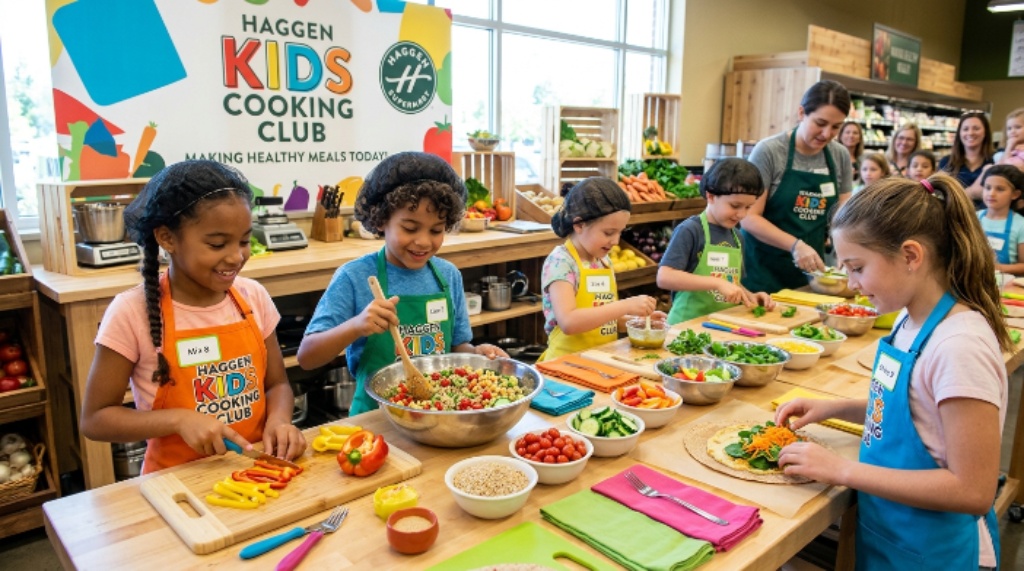
Cooking together gives children practical skills that last for life while creating meaningful family memories. Studies show that children who help prepare meals often become more confident around healthy foods. Many families also report that shared cooking improves communication and teamwork at home. This Guide To Haggen Kids Cooking Club explains how the program works, who can join, what benefits children receive, and how parents can help young cooks build confidence through enjoyable kitchen experiences.
What Is Haggen Kids Cooking Club?
Haggen Kids Cooking Club is a family focused program designed to introduce children to cooking through fun, educational activities. The club encourages young members to learn basic kitchen skills while exploring fresh ingredients and simple recipes. Every activity aims to make cooking enjoyable rather than overwhelming.
Parents also benefit because children gain confidence through hands on experiences. Instead of watching others cook, kids actively participate in preparing meals. As a result, the kitchen becomes an exciting learning space for the whole family.
Why Families Love The Club
Children naturally enjoy hands on learning experiences that combine creativity with practical skills. Cooking provides exactly that while encouraging responsibility and independence. Every completed recipe builds confidence for future kitchen tasks.
Families appreciate opportunities to spend quality time together. Preparing meals encourages conversation, teamwork, and patience throughout every step. Those valuable moments often become lasting family traditions.
Some key advantages include:
- Learning safe kitchen habits
- Building confidence through simple recipes
- Understanding healthy food choices
- Improving measuring and reading skills
- Encouraging creativity with ingredients
- Developing teamwork and responsibility
Who Can Join?
The club welcomes children who want to explore cooking in a safe and supportive environment. Younger participants usually receive help from parents or guardians during activities. Older children often complete many tasks independently.
Families with different cooking experience levels can still enjoy participating. Beginners learn essential techniques while experienced young cooks continue improving their abilities. Everyone progresses at a comfortable pace.
Main Goals Of Haggen Kids Cooking Club
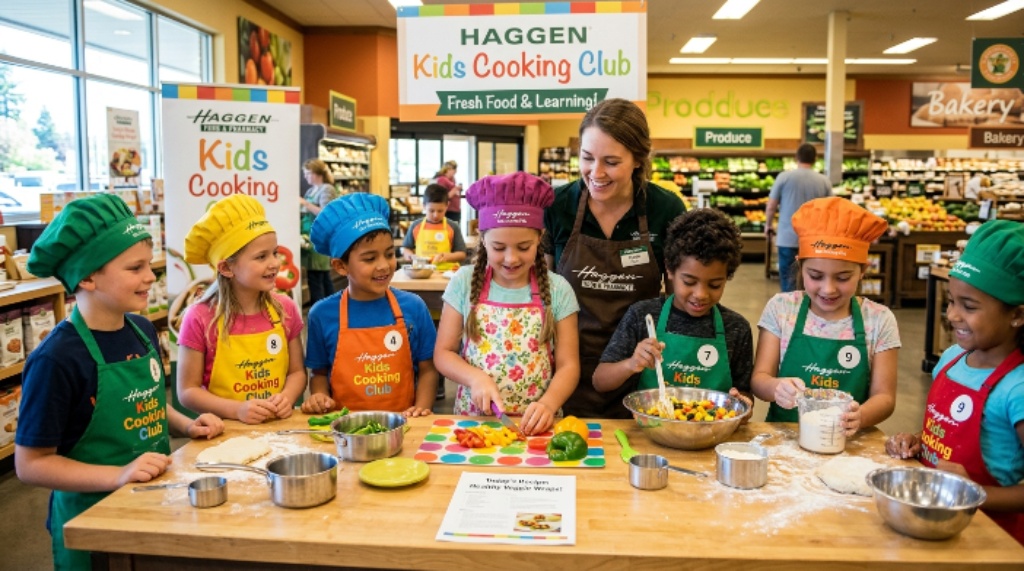
The program focuses on much more than preparing meals. Children also develop life skills that support success inside and outside the kitchen. Every activity encourages curiosity and problem solving.
Healthy eating remains another important goal. Kids become more willing to taste new foods after helping prepare them. That experience often creates better eating habits over time.
Skills Children Learn
Kitchen Safety
Safety always comes before cooking techniques. Children learn proper hand washing, careful food handling, and responsible tool usage. These habits create confidence from the beginning.
Parents can reinforce these lessons during everyday meal preparation. Consistent practice helps safety become a natural routine. Good habits stay with children throughout life.
Food Preparation
Young cooks discover how to wash produce, measure ingredients, and organize workspaces. They also learn why preparation makes cooking easier and faster. These simple habits improve every recipe.
Step by step instruction prevents children from feeling overwhelmed. Instead, they enjoy steady progress while completing achievable tasks. Small successes encourage continued learning.
Basic Cooking Techniques
Children gradually explore mixing, stirring, baking, roasting, and simple meal preparation. Each lesson introduces another useful kitchen skill. Confidence grows with every completed recipe.
Rather than rushing difficult recipes, the club promotes steady improvement. That approach creates a positive learning experience. Kids feel proud of their accomplishments.
Educational Benefits Beyond Cooking
Cooking naturally supports learning in many different subjects. Measuring ingredients introduces practical mathematics through enjoyable activities. Reading recipes strengthens comprehension and attention to detail.
Science also becomes easier to understand through cooking experiments. Children observe changes in temperature, texture, and ingredients during preparation. Learning becomes both practical and memorable.
Cooking also improves:
- Problem solving
- Time management
- Organization
- Following instructions
- Critical thinking
- Decision making
Healthy Eating Habits
Children often become more interested in nutritious meals after helping prepare them. Fresh vegetables and fruits appear less intimidating when they personally select and cook them. Participation increases curiosity.
Parents can introduce healthier ingredients without creating pressure. Instead, children experience new flavors naturally during cooking activities. Positive experiences encourage better choices later.
Building Confidence In The Kitchen
Every successful recipe increases self confidence. Children begin believing they can complete new challenges through practice and patience. That confidence often extends into school and daily life.
Mistakes also become valuable learning opportunities. Instead of fearing failure, young cooks discover how to improve each attempt. Progress matters more than perfection.
Family Bonding Through Cooking
Preparing meals together creates meaningful conversations without distractions. Parents naturally teach life lessons while sharing recipes and kitchen responsibilities. Every session strengthens family relationships.
Children also enjoy contributing to household meals. Feeling helpful increases responsibility and pride. Those positive emotions encourage continued participation.
Tips For Parents
Parents play an important role during every cooking activity. Encouragement creates confidence while patience supports learning. Children improve faster when they feel supported.
Helpful ideas include:
- Let children complete age appropriate tasks.
- Praise effort instead of perfect results.
- Allow extra time for learning.
- Keep instructions simple and positive.
- Celebrate every finished recipe.
- Make cooking enjoyable instead of stressful.
Creating A Safe Cooking Environment
A clean workspace reduces distractions and prevents unnecessary accidents. Organizing ingredients before cooking keeps children focused throughout each recipe. Preparation also saves valuable time.
Adults should supervise tasks involving sharp tools or heat. Younger children especially benefit from close guidance. Safety remains the highest priority.
Easy Beginner Activities
Simple recipes help children experience success quickly. Fruit salads, sandwiches, smoothies, and homemade snacks require minimal preparation. Those recipes build confidence before introducing more advanced techniques.
Decorating healthy snacks also encourages creativity. Children enjoy adding colorful fruits and vegetables to meals. Attractive food often increases excitement about eating.
Encouraging Creativity
Creativity transforms cooking into an enjoyable adventure. Children can safely experiment with flavors, colors, and presentations using familiar ingredients. Small changes create exciting results.
Parents should encourage thoughtful experimentation instead of demanding perfection. Every creative idea teaches valuable lessons about food preparation. Curiosity keeps children engaged.
Common Challenges
Some children hesitate to try unfamiliar foods. Cooking participation often reduces that hesitation because they understand each ingredient. Familiarity increases comfort.
Attention spans also vary between children. Short cooking sessions usually maintain enthusiasm better than lengthy projects. Frequent success builds lasting interest.
Keeping Kids Interested
Regular cooking opportunities help maintain excitement. Seasonal recipes introduce variety while teaching children about different ingredients. Every new theme creates fresh motivation.
Parents can also let children choose recipes occasionally. Decision making increases enthusiasm and responsibility. Ownership encourages greater participation.
Signs Your Child Is Progressing
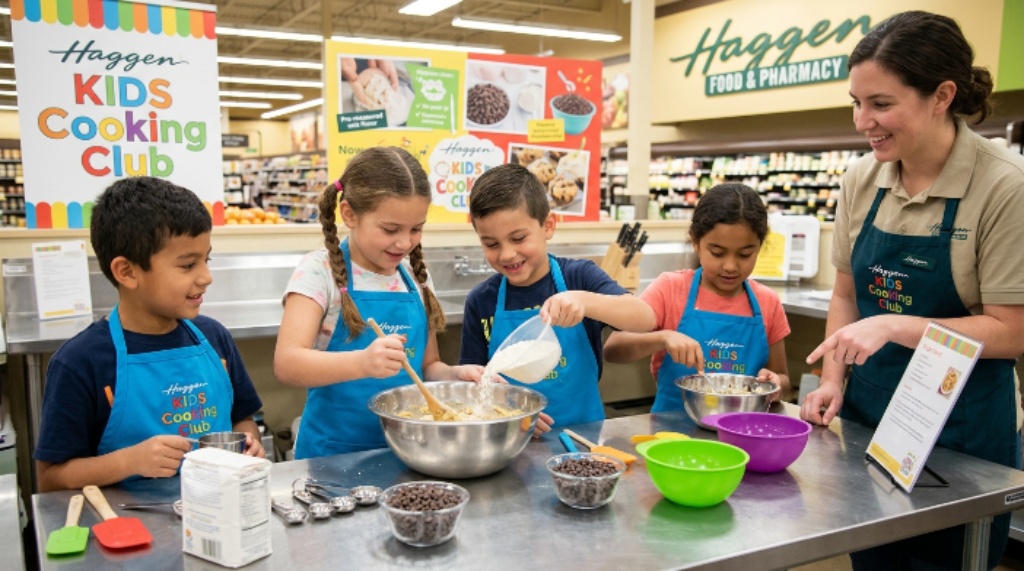
Improvement appears gradually through everyday cooking experiences. Children begin following recipes with less assistance and greater confidence. Independence grows naturally.
Other positive signs include:
- Better organization
- Increased kitchen confidence
- Greater willingness to taste foods
- Improved measuring accuracy
- Stronger teamwork
- More responsibility
Making Cooking Part Of Everyday Life
Cooking should become a regular family activity rather than an occasional event. Weekly meal preparation gives children consistent opportunities to practice valuable skills. Repetition strengthens learning.
Simple responsibilities also create lasting habits. Even setting the table or washing vegetables teaches responsibility. Every contribution matters.
Conclusion
Haggen Kids Cooking Club offers children an enjoyable way to build practical cooking abilities while strengthening family connections. Young members gain confidence, improve healthy eating habits, and develop valuable life skills through hands on experiences. Parents also create meaningful memories while supporting every stage of learning. Start encouraging your child’s kitchen journey today and make cooking a rewarding family tradition.
FAQs
What is Haggen Kids Cooking Club?
It is a family focused cooking program that helps children learn practical kitchen skills through fun activities.
What age is suitable for the club?
Children of different ages can participate with activities matched to their experience and adult supervision.
Do parents need to participate?
Yes, parents should supervise younger children and encourage learning throughout each activity.
What skills do children develop?
Children learn kitchen safety, food preparation, teamwork, confidence, and healthy eating habits.
Why should families join?
The club combines cooking education, family bonding, and practical life skills in an enjoyable learning experience.