
Stone boiling represents one of humanity’s oldest cooking methods. Indigenous peoples of the Yukon Territory perfected this technique over thousands of years. Today, outdoor enthusiasts and cultural preservationists are rediscovering these ancient food preparation practices.
This guide explores traditional Yukon Territory foods and teaches you how to prepare them using authentic stone boiling methods. Understanding these techniques connects us to ancestral wisdom while providing practical survival skills.
Understanding Stone Boiling History in the Yukon
Stone boiling emerged from necessity in regions where pottery was unavailable or impractical. First Nations peoples of the Yukon developed sophisticated methods using heated rocks to cook food in containers that couldn’t withstand direct fire. This innovation allowed communities to create nutritious stews and soups from available resources.
The technique proved particularly valuable during long winters when hot meals provided essential warmth. Additionally, stone boiling extracted maximum nutrition from bones, creating nutrient-dense broths. These soups sustained families through harsh conditions.
Archaeological evidence shows stone boiling practices dating back over 5,000 years in the Yukon. Fire-cracked rocks found at ancient sites reveal the widespread use of this cooking method. Therefore, modern practitioners connect with millennia of culinary tradition when using these techniques.
Traditional Yukon Territory Foods Suitable for Stone Boiling
Yukon Territory cuisine centers on locally available ingredients adapted to subarctic conditions. Caribou, moose, and fish provide primary protein sources. Wild berries, roots, and leafy greens supplement these foods during warmer months.
Salmon runs historically provided crucial sustenance for Yukon communities. Stone-boiled salmon soup extracts oils and nutrients from every part of the fish. Furthermore, the gentle heating preserves delicate omega-3 fatty acids often destroyed by high-heat cooking.
Wild game bones create rich broths through extended stone boiling. Marrow releases slowly, enriching the liquid with fats and minerals. Connective tissues break down into gelatin, producing healing, nourishing stocks.
Berries like cloudberries, blueberries, and cranberries thrive in Yukon’s climate. Stone boiling creates preserves and sauces without scorching sugars. Moreover, this method infuses flavors gradually, producing complex taste profiles.
Root vegetables including wild onions and various tubers grow throughout the territory. These starches thicken stone-boiled stews naturally. Additionally, they provide carbohydrates essential for energy in cold climates.
Gathering and Preparing Stones for Cooking
Selecting proper stones ensures safety and cooking success. River rocks work best because water smoothing removes weak points that cause explosions when heated. Avoid sedimentary rocks like sandstone and limestone, which contain moisture pockets that expand violently.
Granite, basalt, and other igneous rocks withstand repeated heating cycles. These dense stones retain heat longer, requiring fewer replacements during cooking. However, always inspect rocks for cracks before heating.
Size matters when choosing cooking stones. Fist-sized rocks provide optimal surface area for heat transfer. Smaller stones cool too quickly, while larger ones prove difficult to handle safely. Therefore, collect multiple medium-sized stones for efficient cooking.
Clean stones thoroughly before first use. Brush away dirt, moss, and organic matter that could contaminate food. Heating stones gradually the first time burns off remaining impurities. Subsequently, stones become seasoned cooking tools used repeatedly.
According to Smithsonian Magazine, Indigenous peoples of the far north developed remarkably sophisticated food preservation and cooking techniques adapted to extreme environments.
Creating Safe Containers for Stone Boiling
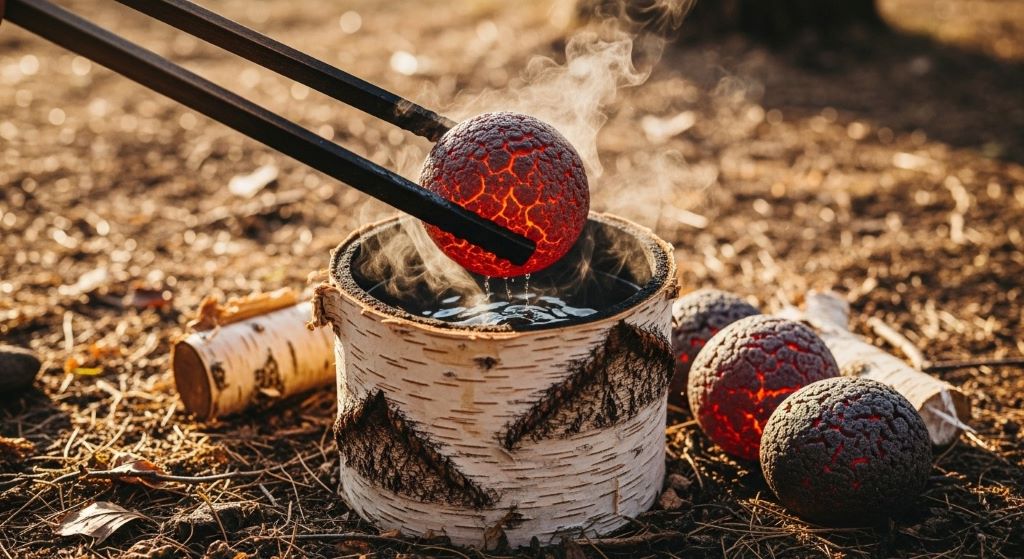
Traditional containers included birch bark baskets, animal hide pouches, and hollowed wooden vessels. These materials tolerate water and steam but not direct flame. Stone boiling solved this limitation ingeniously.
Birch bark containers require careful construction. Harvesting bark sustainably in late spring when sap flows ensures flexibility. Additionally, birch bark naturally resists water penetration, making it ideal for liquid cooking.
Animal stomach pouches provided waterproof cooking vessels. After thorough cleaning, these organic containers held soups and stews. Furthermore, stomach lining contributed collagen and nutrients to finished dishes.
Wooden bowls carved from single logs served as durable stone boiling vessels. Dense hardwoods resist cracking from temperature changes. Moreover, wood adds subtle flavors to foods during cooking.
Modern practitioners can use metal pots or ceramic bowls not designed for direct heat. However, traditional materials provide authentic experiences and connect cooks to ancestral practices. Therefore, experimenting with various containers deepens understanding.
Building the Fire and Heating Stones
Create a hot fire using dry hardwood for maximum heat production. Softwoods burn too quickly and produce insufficient coals. Additionally, hardwood coals maintain consistent temperatures needed for proper stone heating.
Arrange stones directly in the fire’s hottest section. Nestle them among coals rather than atop flames. This positioning ensures even heating throughout each stone. Furthermore, surrounding coals with stones conserves heat for extended cooking sessions.
Heat stones for 30-45 minutes until they glow faintly red. Visual cues vary depending on stone type and lighting conditions. However, a properly heated stone causes water to boil vigorously upon contact.
Never place cold stones directly into fire. Gradual temperature increases prevent thermal shock cracking. Start stones near fire edges, then move them progressively closer to intense heat. Therefore, patient heating ensures stone longevity.
Maintain the fire throughout cooking to keep replacement stones ready. Stones lose heat after several minutes in liquid. Consequently, having hot backups prevents cooking interruptions and maintains proper temperatures.
Preparing Traditional Yukon Game Meats
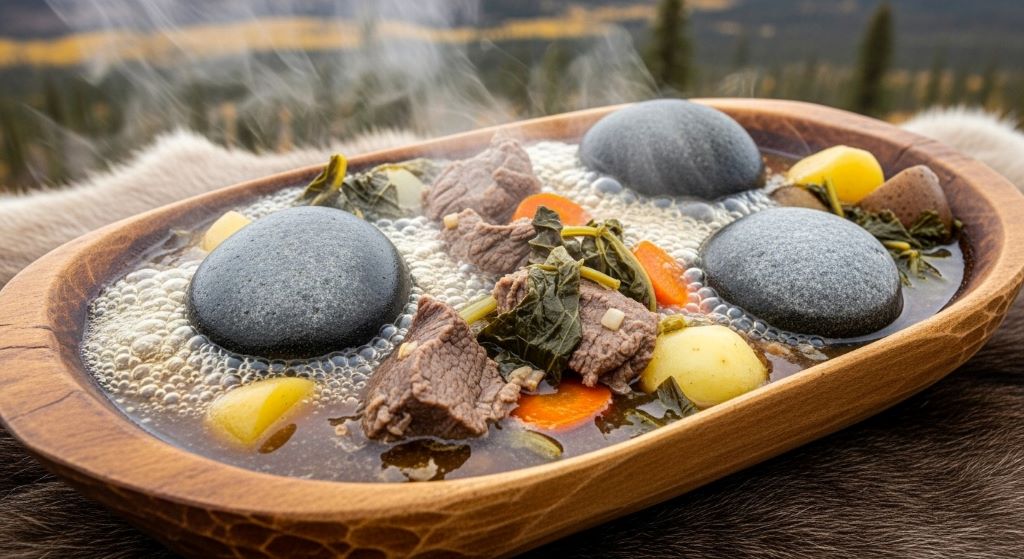
Caribou and moose require careful butchering for stone boiling preparations. Cut meat into uniform pieces ensuring even cooking. Smaller chunks allow better heat penetration and faster cooking times.
Include bones and joints for maximum flavor and nutrition. Bone marrow releases during extended simmering, enriching broth significantly. Additionally, cartilage breaks down into beneficial gelatin supporting joint health.
Trim excess fat but reserve some for added richness. Yukon game typically contains less fat than domestic meats. Therefore, every bit contributes important calories and flavor to finished dishes.
Season simply with available herbs and plants. Traditional Yukon cooking emphasized natural flavors rather than heavy spicing. Wild onions, spruce tips, and Labrador tea provided subtle enhancements.
According to research from National Geographic, traditional Indigenous diets from Arctic regions offer remarkable nutritional benefits adapted to extreme climates.
Stone Boiling Fish in Traditional Style
Salmon preparation showcases stone boiling’s versatility. Clean fish thoroughly, removing scales and entrails. However, retain heads and bones for broth-making purposes.
Cut salmon into serving-sized portions or leave whole for ceremonial preparations. Whole fish requires larger containers and more cooking time. Additionally, presentation of intact fish holds cultural significance in many communities.
Layer fish pieces in the container with aromatic plants between layers. This technique infuses delicate flavors throughout the cooking process. Moreover, layering ensures even heat distribution among pieces.
Use cooler stones initially to prevent fish from overcooking. Salmon cooks quickly compared to game meats. Therefore, controlling stone temperature prevents mushy, overcooked results.
Add final hot stones just before serving to reheat without overcooking. This technique keeps fish tender while ensuring safe serving temperatures. Furthermore, the dramatic sizzle adds ceremony to meals.
Creating Nutrient-Dense Bone Broths
Bone broth preparation benefits enormously from stone boiling’s gentle heat. Extended cooking at moderate temperatures extracts maximum minerals without destroying delicate compounds. Traditional Yukon broths simmered for hours, sometimes days.
Crack large bones to expose marrow before cooking. This step accelerates nutrient release into liquid. Additionally, roasting bones briefly before boiling deepens flavor complexity.
Fill the container with cold water covering bones completely. Starting cold allows gradual extraction as stones heat the liquid. Moreover, cold starts produce clearer, more refined broths.
Add hot stones every 20-30 minutes maintaining a gentle simmer. Violent boiling creates cloudy broth and destroys some nutrients. Therefore, consistent moderate heat produces superior results.
Skim foam that rises during initial heating. This impurity removal creates cleaner-tasting final products. However, avoid excessive skimming that removes beneficial fats and proteins.
Incorporating Wild Plants and Vegetables
Timing matters when adding vegetables to stone-boiled dishes. Root vegetables require longer cooking than leafy greens. Therefore, add ingredients progressively based on cooking requirements.
Wild onions and garlic add aromatic depth to game stews. These pungent plants grow throughout the Yukon during summer months. Additionally, their antimicrobial properties contributed to food safety before refrigeration.
Leafy greens like fireweed shoots provide fresh flavors and vitamins. Add these delicate plants during final cooking stages. Moreover, brief cooking preserves maximum nutritional content.
Berries thicken sauces naturally while adding complex sweetness. Cloudberries particularly complement fatty fish and game. Furthermore, their vitamin C content prevented scurvy during long winters.
Wild mushrooms contribute earthy flavors and unique textures. However, proper identification is absolutely essential before consuming any wild fungi. Therefore, learn from knowledgeable guides before foraging independently.
Safety Considerations and Best Practices
Handle hot stones with appropriate tools avoiding bare hands. Long wooden tongs or split sticks work effectively. Additionally, wearing leather gloves provides extra protection against accidental contact.
Transfer stones carefully to prevent splashing hot liquid. Lower each stone slowly into containers rather than dropping. Moreover, anticipate vigorous bubbling when stones contact water.
Work in well-ventilated areas when stone boiling indoors. Steam carries heat that can cause burns if trapped. Therefore, outdoor cooking eliminates ventilation concerns while providing authentic experiences.
Keep children and pets at safe distances from fires and hot stones. Establish clear boundaries around cooking areas. Furthermore, never leave fires or hot stones unattended.
Inspect stones after each use for developing cracks. Discard compromised stones immediately. Additionally, rotating stones between uses extends their functional lifespan.
Modern Applications of Ancient Techniques
Contemporary outdoor enthusiasts adopt stone boiling for wilderness survival situations. The technique requires no metal cookware, only natural materials. Therefore, knowledge of these methods provides valuable emergency skills.
Cultural education programs teach stone boiling to preserve Indigenous knowledge. Hands-on learning creates deeper understanding than theoretical instruction alone. Moreover, practicing traditional techniques strengthens cultural connections.
Experimental archaeology uses stone boiling to understand ancient cooking practices. Researchers recreate historical conditions revealing insights into past lifestyles. Additionally, these experiments validate or challenge archaeological interpretations.
Sustainable cooking advocates appreciate stone boiling’s minimal environmental impact. The method uses renewable resources and creates no packaging waste. Furthermore, it connects practitioners with natural surroundings meaningfully.
Conclusion
Stone boiling represents remarkable human ingenuity applied to cooking challenges. Yukon Territory peoples perfected these techniques over millennia, creating nutritious meals from available resources. Modern practitioners honor this heritage while gaining practical skills applicable to wilderness situations. The method’s gentle heat extracts maximum nutrition from traditional foods like game meats, fish, and wild plants. Therefore, learning stone boiling connects us to ancestral wisdom while developing self-reliance and cultural appreciation. Whether pursuing outdoor skills, cultural education, or sustainable cooking, these ancient techniques offer valuable lessons for contemporary life.
Frequently Asked Questions
What types of rocks are safe for stone boiling?
Granite, basalt, and other dense igneous rocks work best for stone boiling. River rocks are ideal because water smoothing removes weaknesses. Avoid sedimentary rocks like sandstone and limestone, which contain moisture that causes dangerous explosions when heated.
How long does stone boiling take compared to regular cooking?
Stone boiling typically takes 50-100 percent longer than conventional methods. However, the gentle heat produces superior broths and prevents overcooking delicate foods. Plan 2-3 hours for complete meals including fire preparation and stone heating time.
Can I practice stone boiling safely at home?
Yes, using a backyard fire pit and modern containers like cast iron or ceramic bowls. Ensure adequate space away from structures and follow local fire regulations. Additionally, practice transferring heated stones safely before attempting full meals.
What traditional Yukon foods work best for beginners?
Start with simple salmon or whitefish soups requiring shorter cooking times. Bone broths provide excellent practice for maintaining temperatures. Additionally, root vegetable stews teach timing skills without expensive ingredients.
Do I need special permits to practice stone boiling outdoors?
Check local regulations regarding open fires and foraging on public lands. Many areas require campfire permits, especially during dry seasons. Additionally, harvesting wild foods may require separate permissions depending on location and species.
Related Topics:
What Are 10 Good Dinner Foods?


