The ancient Egyptians built pyramids that still stand today. They also created recipes that have survived for thousands of years. These dishes continue to appear on Egyptian dinner tables, connecting modern families to their pharaonic past. The food traditions of ancient Egypt reveal a sophisticated culinary culture that valued flavor, nutrition, and community.
The Timeless Appeal of Ancient Egyptian Cuisine
Egyptian cooking has remained remarkably consistent over millennia. Many ingredients used by ancient Egyptians are still staples in modern Egyptian kitchens. Bread, onions, garlic, lentils, and beans formed the foundation of meals then and now. This continuity speaks to the effectiveness of these simple, wholesome foods.
Ancient Egyptians developed cooking techniques that are still relevant today. They baked bread in clay ovens, brewed beer from barley, and preserved foods with salt and honey. These methods proved so successful that they required little improvement. Therefore, Egyptian cooks have maintained these traditions with pride.
Bread: The Foundation of Every Meal
Bread was sacred to ancient Egyptians. They called their land “the bread basket of the world.” Workers building the pyramids received bread as payment. Today, bread remains central to Egyptian meals, served with nearly every dish.
Ancient Egyptian bread came in many varieties. Some loaves were made from emmer wheat, an ancient grain. Others contained dates, honey, or sesame seeds. The basic process involved grinding grain, mixing it with water, and baking it in dome-shaped ovens.
Modern Egyptians still bake similar breads. Aish baladi, the traditional Egyptian flatbread, uses techniques dating back thousands of years. The dough rises naturally, creating a hollow pocket perfect for filling with other foods. Additionally, street vendors across Egypt bake fresh bread daily using methods their ancestors would recognize.
Ful Medames: A Breakfast Older Than the Pyramids
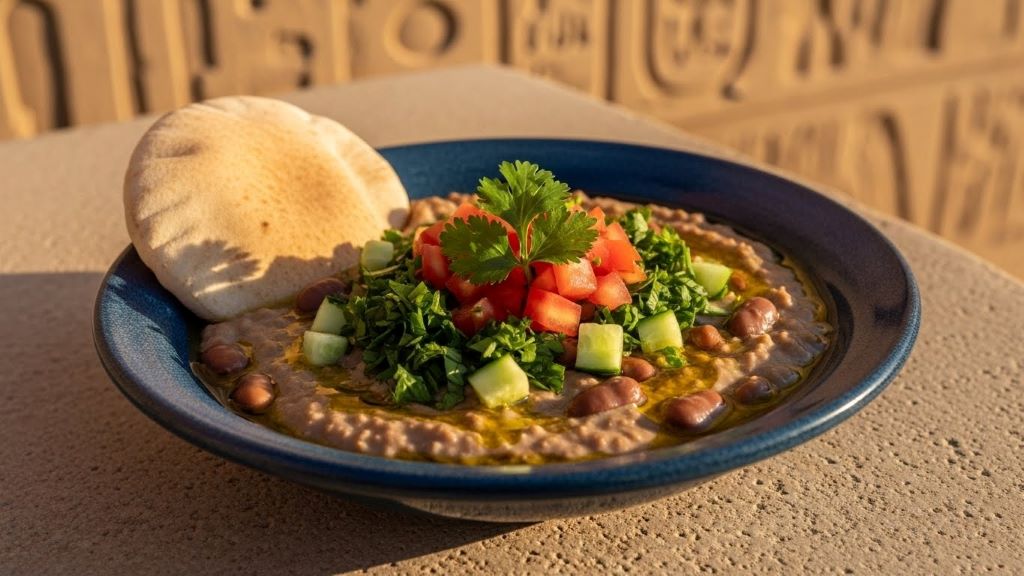
Ful medames ranks among Egypt’s most ancient dishes. This fava bean stew has sustained Egyptians for over 5,000 years. Archaeological evidence suggests workers ate ful while constructing the pyramids. The dish provided protein, energy, and essential nutrients for demanding physical labor.
The recipe remains simple. Dried fava beans simmer slowly overnight until tender. Cooks then mash them slightly and dress them with olive oil, lemon juice, garlic, and cumin. However, each family adds their own touches. Some include tahini, while others prefer chopped tomatoes or chili peppers.
Today, ful medames serves as Egypt’s national breakfast. Street vendors sell it from large copper pots. Families prepare it at home for weekend gatherings. The dish connects Egyptians to their heritage with every bite. Moreover, its affordability and nutrition ensure it will remain popular for generations to come.
Molokhia: The Green Soup of Pharaohs
Molokhia holds special status in Egyptian cuisine. This green soup made from jute leaves allegedly graced pharaonic banquets. Historical records from ancient Egypt mention molokhia as a favored dish among nobility. The vegetable grew abundantly along the Nile, making it accessible to all social classes.
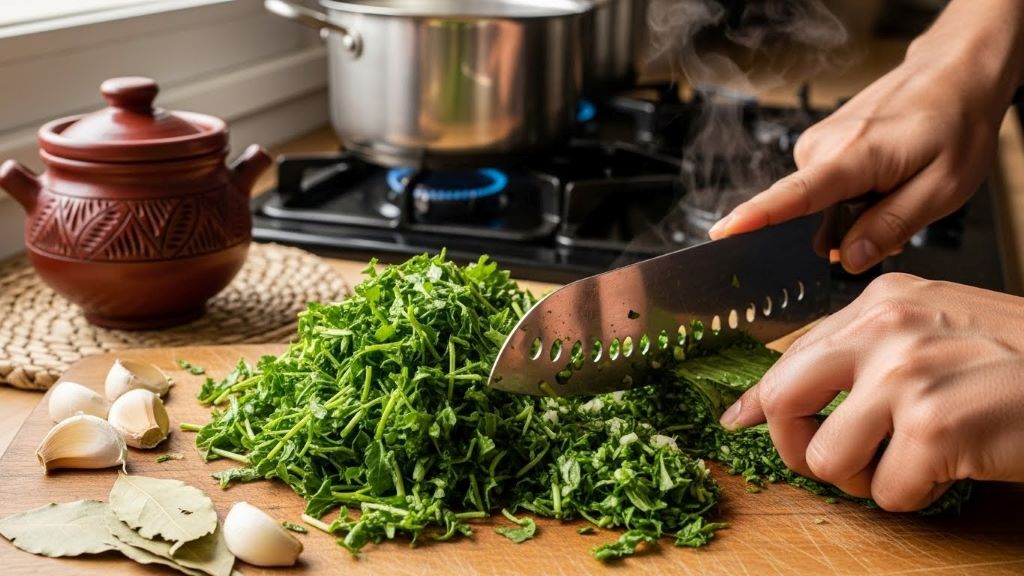
Preparing molokhia requires patience and skill. Fresh jute leaves must be finely chopped or ground. Cooks then simmer them in rich chicken or meat broth. Garlic and coriander, fried in butter or oil, add the signature aroma. The result is a thick, vibrant green soup with an earthy flavor.
Modern Egyptians serve molokhia with rice or bread. Some regions prefer it thicker, while others like it soupy. Family recipes vary across Egypt, but the core technique remains unchanged. According to The New York Times, this ancient dish has gained international recognition as chefs worldwide discover its unique taste and texture.
Koshari: Ancient Grains in Modern Harmony
Koshari demonstrates how ancient ingredients evolve into new dishes. While the specific combination is relatively modern, it uses grains and legumes ancient Egyptians cultivated. Rice, lentils, and chickpeas formed the basis of pharaonic diets. These ingredients provided complete nutrition for civilizations without modern supplements.
The dish layers rice, lentils, and pasta, then tops them with chickpeas, crispy fried onions, and spicy tomato sauce. Each component cooks separately before assembly. The contrasting textures and flavors create a satisfying vegetarian meal. Furthermore, koshari represents Egyptian resourcefulness in creating abundance from humble ingredients.
Street vendors and restaurants across Egypt serve koshari daily. It remains affordable, filling, and nutritious. The dish showcases how ancient agricultural wisdom continues to nourish modern populations. Therefore, koshari bridges past and present in Egyptian food culture.
Ta’ameya: Ancient Falafel’s Egyptian Ancestor
Ta’ameya, Egyptian falafel, predates its Middle Eastern cousins by centuries. Ancient Egyptians made these fritters from fava beans rather than chickpeas. The distinction matters to Egyptians who take pride in their culinary innovations. These crispy patties provided portable protein for farmers and travelers.
Making ta’ameya follows ancient principles. Dried fava beans soak overnight, then grind with fresh herbs like parsley, cilantro, and dill. Onions, garlic, and spices enhance the flavor. The mixture forms into patties and fries until golden. However, modern cooks sometimes add leeks or spring onions for extra flavor.
Ta’ameya remains popular street food throughout Egypt. Vendors serve it in fresh bread with tahini sauce and pickled vegetables. The combination of textures and tastes creates a complete meal. Additionally, its vegetarian nature makes it accessible during religious fasting periods, as it was in ancient times.
Honey and Date Desserts: Sweet Traditions
Ancient Egyptians loved sweets. They harvested honey from wild bees and cultivated date palms along the Nile. These natural sweeteners appeared in temple offerings and daily meals. Tomb paintings depict honey harvesting and date processing, showing their cultural importance.
Modern Egyptian desserts still rely heavily on dates and honey. Basbousa, a semolina cake soaked in honey syrup, has ancient roots. The cake’s dense texture and intense sweetness mirror descriptions of pharaonic sweets. Moreover, date-filled pastries called ma’amoul continue traditions thousands of years old.
According to Charley Waffle, ancient Egyptians even made a type of cake using honey, dates, and nuts that closely resembles modern Egyptian pastries. This continuity demonstrates how successful these flavor combinations were.
Beer and Beverages: Ancient Brewing Lives On
Ancient Egyptians invented beer. They brewed it from barley bread, creating a nutritious, slightly alcoholic beverage. Workers received beer as part of their wages. Children drank it because water was often unsafe. The brewing process killed harmful bacteria, making beer healthier than river water.
While modern Egyptian beer differs from ancient recipes, traditional brewing methods survive in some areas. Bouza, a thick fermented beverage made from barley or wheat, closely resembles ancient Egyptian beer. Small producers still make it using traditional techniques passed down through generations.
Today, other beverages have gained prominence. Karkade, made from hibiscus flowers, was enjoyed in ancient Egypt. The bright red drink serves both hot and cold. Similarly, tamarind juice has refreshed Egyptians for millennia. These drinks connect modern Egyptians to their ancestors’ tastes and preferences.
The Nile’s Influence on Ancient and Modern Cooking
The Nile River shaped Egyptian cuisine. Its annual floods deposited nutrient-rich soil perfect for agriculture. Ancient Egyptians cultivated wheat, barley, onions, garlic, and vegetables along its banks. The river also provided fish, waterfowl, and papyrus.
Modern Egyptian cooking still reflects this riverine bounty. Fish remains popular, especially in coastal and riverside communities. Vegetables grown in Nile delta soil retain exceptional flavor. Therefore, the river continues to influence what and how Egyptians eat.
Irrigation techniques developed in ancient times still water Egyptian fields. Farmers grow many of the same crops their ancestors cultivated. This agricultural continuity ensures traditional ingredients remain available. Moreover, it preserves the authentic flavors of ancient recipes.
Spices and Seasonings: The Ancient Flavor Profile
Ancient Egyptians valued spices for flavor and preservation. Cumin, coriander, garlic, and onions appeared frequently in their cooking. These aromatics enhanced simple ingredients and helped preserve food in the hot climate. Additionally, they believed certain spices had medicinal properties.
Modern Egyptian cuisine maintains this spice palette. Cumin seasons everything from soups to meat dishes. Coriander adds brightness to vegetable preparations. Garlic and onions form the aromatic base for countless recipes. However, some spices introduced later, like black pepper and chili, have also become essential.
The consistent use of these seasonings across millennia creates a recognizable flavor profile. Egyptian food tastes distinctly Egyptian, whether prepared in ancient times or today. This continuity comforts Egyptians and intrigues visitors seeking authentic culinary experiences.
Preserving Culinary Heritage for Future Generations
Egyptian families take pride in maintaining food traditions. Grandmothers teach granddaughters to make ful medames. Fathers show sons how to bake perfect aish baladi. These oral traditions preserve techniques no cookbook can capture. Therefore, ancient recipes survive through practice rather than written records.
Modern Egyptian chefs are documenting traditional recipes. They research historical sources and interview elderly cooks. Their efforts ensure these dishes won’t disappear as lifestyles change. Additionally, restaurants specializing in traditional cuisine attract locals and tourists alike.
Social media has created new interest in ancient recipes. Young Egyptians share videos of traditional cooking methods. This digital preservation reaches global audiences. Consequently, Egyptian culinary heritage gains recognition and appreciation worldwide.
Conclusion
Ancient Egyptian recipes demonstrate remarkable staying power. Dishes like ful medames, molokhia, and ta’ameya have nourished Egyptians for thousands of years. These recipes survived because they work. They use locally available ingredients, provide excellent nutrition, and taste delicious. Moreover, they connect modern Egyptians to their illustrious past.
The continuity of Egyptian cuisine offers valuable lessons. Simple, wholesome ingredients prepared with time-tested techniques create satisfying meals. Traditional cooking methods often prove more sustainable than modern alternatives. Furthermore, food traditions strengthen cultural identity and community bonds.
As Egypt modernizes, these ancient recipes adapt without losing their essence. They appear in street stalls and fine restaurants. They feed families and festival crowds. Therefore, ancient Egyptian cuisine remains vibrantly alive, proving that good food truly stands the test of time.
Frequently Asked Questions
What is the oldest Egyptian dish still eaten today?
Ful medames is likely the oldest, with evidence suggesting it has been eaten for over 5,000 years. Workers building the pyramids consumed this fava bean stew for energy and nutrition.
Did ancient Egyptians eat meat?
Yes, but mainly wealthy Egyptians ate meat regularly. Common people ate fish, poultry, and game birds more often. Beef, goat, and lamb were luxury items reserved for special occasions and religious festivals.
What grains did ancient Egyptians use?
Ancient Egyptians primarily used emmer wheat and barley. They ground these grains to make bread and beer. Later, other wheat varieties were introduced, but these ancient grains remained popular for centuries.
Are ancient Egyptian recipes healthy?
Yes, generally very healthy. They emphasize whole grains, legumes, vegetables, and moderate amounts of meat and fish. The diet was naturally high in fiber, protein, and essential nutrients while being low in processed ingredients.
How has Egyptian food changed over thousands of years?
The core ingredients and techniques remain similar, but new spices, vegetables, and cooking methods have been incorporated. Foreign influences from Greeks, Romans, Arabs, Turks, and others added variety while the foundation stayed Egyptian.
Related Topics:
Qazan Kabab from Uzbekistan: How to Make This Hearty Central Asian Favorite
Why Does Matcha Taste Grassy? Unpacking the Flavor Profile and What It Means for You