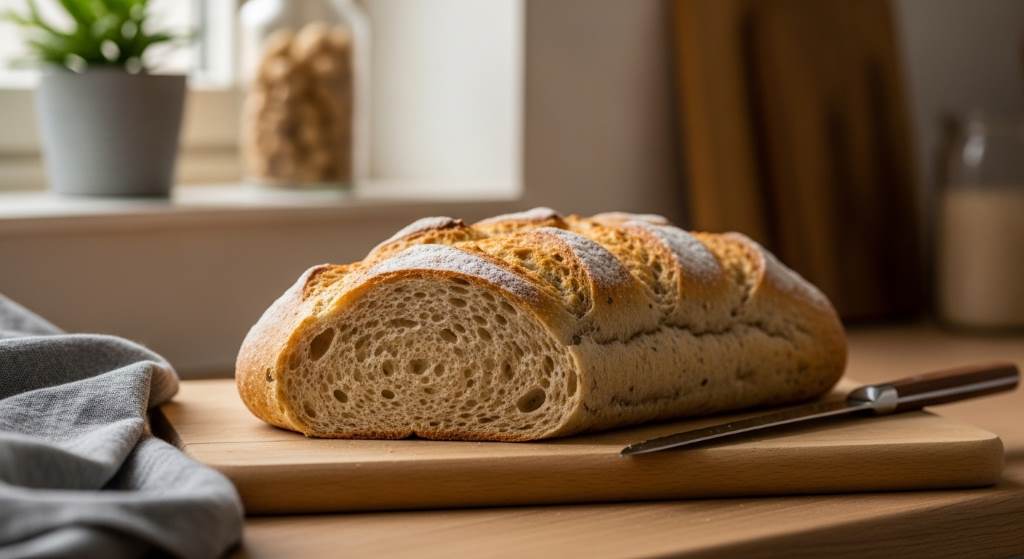
Fresh bread often looks perfect when it comes out of the oven, yet many Denver homeowners wake up to a flat and dense loaf the next morning. According to the American Bakers Association, nearly 80% of homemade bread loses part of its texture within the first 24 hours. Denver’s high altitude and dry climate make this issue even more noticeable for local bakers. In some cases, problems similar to bread machine bread collapsed after baking happen because moisture escapes too quickly overnight. Understanding why bread changes texture in Denver homes can help you keep every loaf fresher for longer.
How Denver’s Climate Affects Fresh Bread
Denver sits more than 5,000 feet above sea level, so the air pressure differs greatly from lower elevations. Because of this, bread rises faster and loses moisture more quickly after baking. Dry indoor heating during colder months also speeds up the staling process. As a result, even freshly baked loaves can flatten overnight if they are not stored correctly.
Humidity levels inside many Denver homes stay below 30% during much of the year. Low humidity pulls moisture from bread almost immediately after it cools. In addition, temperature swings between warm kitchens and cooler nights create condensation changes inside the loaf. Bakers who understand these conditions often adjust recipes and storage methods to protect texture and structure.
Many residents enjoy homemade artisan loaves during family gatherings and local food events. However, bread behaves differently in Denver than in coastal cities because of the thinner air. Some home cooks even notice similar texture changes while reading about food traditions like nyc wine food festival baking techniques that work better in humid climates. Therefore, adapting recipes to local weather becomes essential for consistent results.
The Science Behind Overnight Bread Collapse
Fresh bread contains steam trapped inside the crumb right after baking. As the loaf cools, steam escapes and the internal structure settles naturally. If the bread loses moisture too quickly, the crumb weakens and the loaf starts to sink. Denver’s dry environment accelerates this process more than many people realize.
Gluten structure also plays a major role in keeping bread tall and airy. When dough rises too quickly at high altitude, gluten strands may stretch beyond their ideal limit. Consequently, the bread looks large at first but slowly collapses after cooling. Bakers often mistake this for poor yeast quality even though altitude usually causes the problem.
Another overlooked factor involves starch retrogradation, which changes bread texture overnight. During this process, starch molecules reorganize and push water away from the crumb. The loaf then feels firmer and flatter by morning. Refrigeration can worsen this reaction, especially in Denver homes where kitchen air already lacks moisture.
Why Thin Crust Bread Collapses Faster
Soft sandwich bread with thin crusts tends to flatten sooner than crusty artisan loaves. Thin crusts allow moisture to escape much faster during cooling and storage. Therefore, the crumb dries out before the structure can stabilize properly. Denver bakers often see this issue with milk bread and brioche recipes.
Crusty sourdough bread performs better because thicker crusts slow moisture loss. In addition, natural fermentation strengthens gluten and improves internal structure. This creates a loaf that keeps its shape longer overnight. Even so, improper storage can still ruin high-quality sourdough in dry climates.
Common Bread Storage Mistakes in Denver Homes
Many homeowners place fresh bread directly into the refrigerator after baking. Although this seems helpful, refrigeration actually speeds up staling in most breads. Cold temperatures force starch molecules to harden more quickly. Instead, room-temperature storage works better for short-term freshness.
Plastic bags also create problems when used incorrectly. Warm bread trapped inside plastic releases steam that softens the crust and weakens structure. Overnight, the loaf may appear sunken and gummy. Allowing bread to cool completely before storing prevents excess condensation.
Countertop placement matters more than most people expect in Denver kitchens. Bread stored near heating vents, sunny windows, or ovens loses moisture rapidly overnight. Because indoor air stays extremely dry, exposed loaves flatten much faster than in humid regions. A bread box or cloth bag offers much better protection.
Traditional family baking methods sometimes overlook climate-specific adjustments. People who follow recipes from humid regions may struggle with texture consistency in Colorado homes. While exploring cultural baking habits such as hanukkah tradition recipes, many home bakers discover that altitude and storage methods matter just as much as ingredients. Small environmental changes often make the biggest difference.
Unique Denver Factors Most Blogs Ignore
One rarely discussed issue involves evaporative cooling systems common in Colorado homes. These coolers add moisture unevenly throughout the house and can create rapid humidity fluctuations overnight. Bread exposed to changing humidity expands and contracts repeatedly. Consequently, the loaf structure weakens and becomes flat by morning.
Another uncommon factor comes from Denver’s intense ultraviolet sunlight. Direct sunlight heats countertops even during winter months. Bread cooling near windows loses moisture unevenly because one side dries faster than the other. This imbalance sometimes causes lopsided sinking that many bakers misdiagnose as poor kneading.
Altitude also changes yeast behavior after baking, not just during proofing. Residual fermentation can continue briefly while bread cools because gases expand more aggressively at higher elevations. Once temperatures drop overnight, those gas pockets shrink quickly and leave the loaf deflated. Few baking blogs explain this post-baking altitude effect clearly.
The Role of Indoor Heating Systems
Forced-air heating systems dry indoor air dramatically during Denver winters. Bread stored near air vents can lose significant moisture within hours. Even professionally baked artisan loaves struggle under these conditions. Therefore, proper placement inside the home matters almost as much as recipe quality.
Humidifiers help preserve bread texture more effectively than many people expect. Maintaining indoor humidity around 40% slows moisture loss overnight. As a result, loaves stay softer and maintain better volume. Many experienced Denver bakers now use small kitchen humidifiers during colder months.
Best Ways to Keep Bread Fresh Overnight
Cooling bread properly remains one of the most important steps for maintaining structure. Place loaves on a wire rack for at least one hour before storage. This allows steam to escape gradually without trapping excess moisture. Rushing this step often leads to flattening and gummy texture.
Cloth bread bags work especially well in Denver homes because they balance airflow and moisture retention. Unlike plastic, cloth prevents condensation while still protecting the crumb. Many bakers also wrap bread in a clean kitchen towel before placing it inside a bread box. This simple habit greatly improves overnight texture.
Freezing sliced bread offers another reliable solution for long-term freshness. Freezing locks moisture inside the crumb and slows starch retrogradation significantly. Denver homeowners often freeze half a loaf immediately after cooling to preserve texture. Then they thaw slices individually when needed.
Homemade enriched breads containing butter, eggs, or milk generally stay softer longer than lean artisan loaves. Fat slows moisture evaporation and helps stabilize the crumb. However, even enriched bread benefits from climate-specific storage habits. Some cooks who enjoy desserts like homemade black walnut ice cream also pair richer breads with controlled kitchen humidity to improve freshness.
Practical Baking Adjustments for Denver Residents
Reducing yeast slightly can improve bread structure at high altitude. Fast-rising dough often weakens before baking finishes completely. Therefore, many Denver bakers decrease yeast by about 25% for better overnight stability. This simple adjustment creates a stronger crumb that holds shape longer.
Increasing hydration slightly also helps combat dry air conditions. Dough with a bit more water retains softness after cooling. However, bakers should avoid overly wet dough because it can collapse easily at altitude. Careful balance remains essential for successful results.
Longer kneading times strengthen gluten development and improve loaf durability. Strong gluten creates a stable network that resists overnight flattening. In addition, slow fermentation techniques build better internal structure than quick-rise methods. Many artisan bakers in Denver rely on overnight fermentation for this reason.
Ingredients That Improve Bread Stability
Certain ingredients naturally help bread maintain texture and height. Honey, olive oil, and mashed potatoes all increase moisture retention. These additions create softer crumbs that stay stable longer in dry climates. Bakers often use these ingredients specifically for Colorado conditions.
Whole grain flour absorbs more water than white flour, so recipe adjustments become necessary. Without enough hydration, whole wheat bread dries rapidly overnight. Adding seeds or oats can also affect moisture balance. Therefore, testing small ingredient changes helps identify the ideal formula.
Signs Your Bread Recipe Needs Adjustment
Bread that shrinks dramatically within a few hours usually indicates over-proofing. Large air pockets followed by dense texture also suggest weak gluten structure. In many cases, altitude adaptation solves these problems quickly. Paying attention to dough behavior helps bakers correct mistakes early.
Cracked crusts combined with flat centers often signal excessive moisture loss during cooling. Meanwhile, gummy interiors usually point toward underbaking or poor airflow. Denver’s climate amplifies both issues significantly. Consistent cooling methods can prevent many texture failures.
If bread tastes stale the very next morning, storage conditions likely need improvement. Proper wrapping and humidity control usually extend freshness by at least another day. Bakers who monitor kitchen temperature and airflow often see immediate improvements. Small environmental changes produce surprisingly strong results.
Conclusion
Fresh bread turns flat overnight in Denver, CO homes because high altitude, low humidity, indoor heating, and improper storage all affect loaf structure. Fortunately, simple adjustments can protect bread texture and keep homemade loaves fresher for longer. Better cooling methods, balanced humidity, and recipe modifications make a noticeable difference in Colorado kitchens. If you want consistently soft and flavorful bread, start testing these climate-specific strategies in your own home today.
FAQs
Why does bread flatten overnight in Denver?
Denver’s dry air and high altitude cause bread to lose moisture and structure faster than in lower elevations.
Should I refrigerate homemade bread?
No, refrigeration usually speeds up bread staling and makes loaves turn dense more quickly.
What is the best bread storage method in Colorado?
A cloth bread bag or bread box works best because it balances airflow and moisture retention.
Does altitude affect bread after baking?
Yes, expanding and shrinking gas pockets at high altitude can weaken loaf structure during cooling.
Can a humidifier help keep bread fresh?
Yes, maintaining moderate indoor humidity slows moisture loss and improves bread texture overnight.