Key Takeaways
- Choose upgrades based on heat, paint protection, comfort, appearance, and ownership goals.
- Window film, paint protection film, and ceramic coating address different types of wear.
- Targeted protection for high-impact areas can offer better value than an oversized package.
- Installation quality, legal compliance, warranty coverage, and aftercare matter as much as the product.
- Norwalk drivers should account for coastal weather, highway debris, seasonal road treatment, and outdoor parking.
In Norwalk, Connecticut, vehicle upgrades need to do more than look good. Daily trips along I-95, the Merritt Parkway, local streets near the waterfront, and year-round outdoor parking can expose a vehicle to sun, road grit, salt, tree debris, and tight parking conditions. Selecting ceramic coating for cars in Norwalk, CT, or any other upgrade starts with understanding how you actually use the vehicle.
A practical plan can improve comfort during humid summers, simplify cleanup after winter driving, and help preserve the finish through years of commuting. Instead of choosing upgrades solely by appearance, first rank the problems you want to solve, then compare products, installation details, and long-term care needs.
When searching for automotive ceramic coating near me, focus on the complete scope of work rather than a single price. The condition of the paint, required preparation, covered surfaces, and aftercare instructions can all affect the result.
Start With Your Goals
Before requesting estimates, identify your top three priorities. A Norwalk commuter who spends time on I-95 may prioritize chip resistance on the front end. A driver who parks near the office or train station may care more about cabin heat, UV exposure, and easier cleaning. Someone keeping a vehicle for many years may want a balanced package that protects both appearance and daily comfort.
- Reduce glare and cabin heat.
- Guard paint from chips, stains, and abrasion.
- Make washing and seasonal cleanup easier.
- Improve sound, security, charging, or convenience.
- Refresh the vehicle’s appearance without compromising usability.
Compare Window Film Options
Window film is not just about darkness. Dyed film can provide shade and privacy at a lower cost. Carbon film offers a clean look with useful glare control. Metallic film may reflect heat effectively, although it can affect certain electronic signals. Ceramic film is often selected for strong heat rejection and UV performance without requiring an extremely dark appearance.
Connecticut rules should guide the final choice. The state’s aftermarket tint requirements state that tint must be tested and bear a compliance sticker, with light-transmission and reflectivity limits that owners should verify before installation. Clear or lighter film can still offer meaningful UV protection, since UV-focused films can block more than 99 percent of UVA and UVB light according to the guidance on UV window film.
Choose Paint Protection Coverage
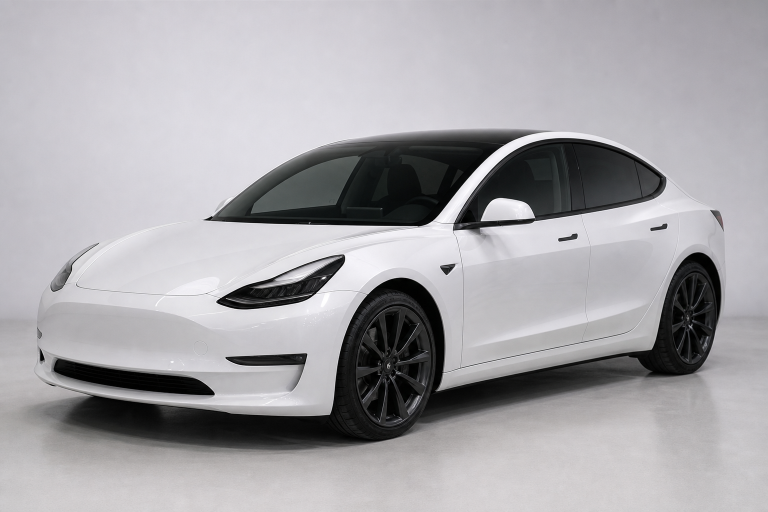
Paint protection film, commonly called PPF, is a physical barrier applied over painted panels. It is particularly useful in areas exposed to highway debris, including the front bumper, hood, front fenders, mirrors, rocker panels, door cups, and door edges. For many Norwalk drivers, partial front-end coverage is a sensible place to begin.
Full-body PPF can make sense for specialty vehicles, sensitive factory paint, or owners who want broad coverage over the long term. Ask exactly which panels are included, where seams will appear, whether edges are wrapped where appropriate, how the film is removed, and what the warranty covers.
Understand Ceramic Coatings
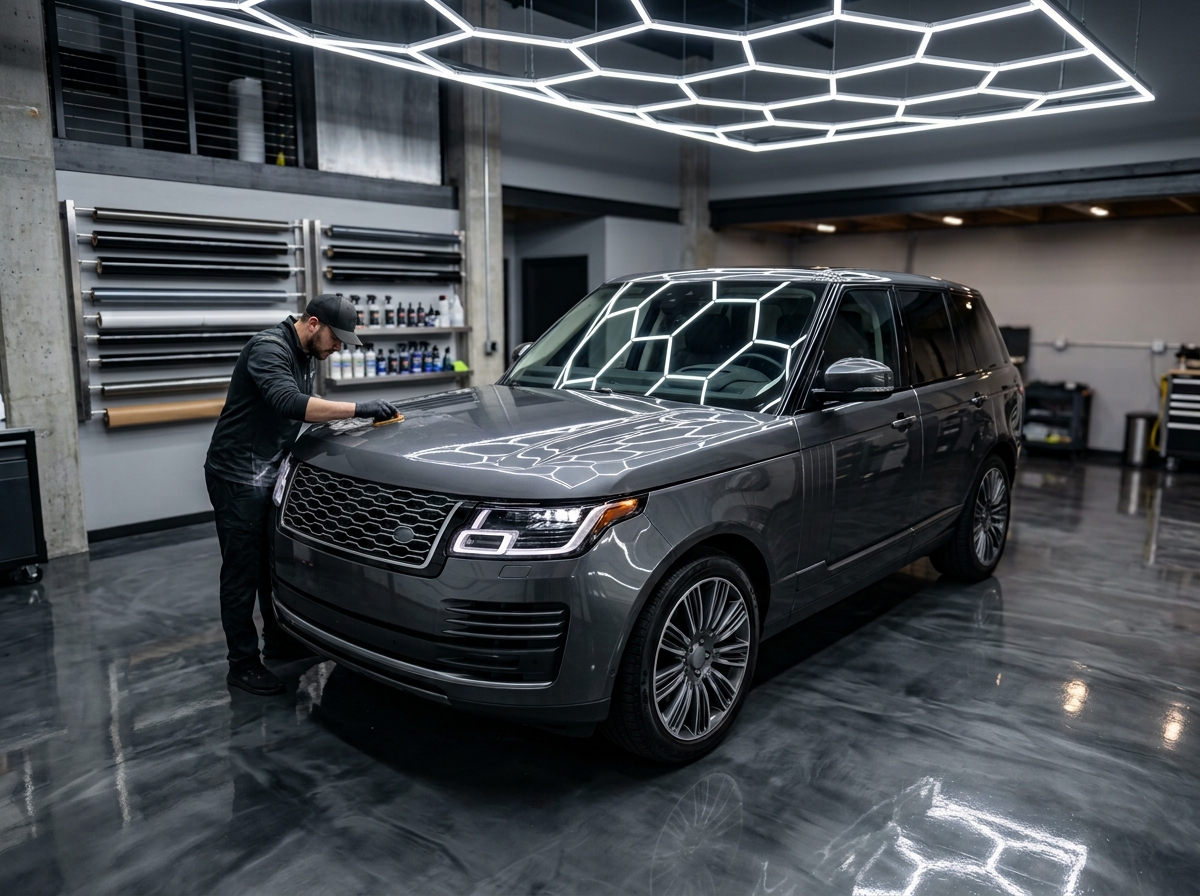
Ceramic coating is a thin protective layer that bonds to approved surfaces and can improve gloss, water behavior, and resistance to common grime. It does not make paint scratch-proof, nor does it replace washing. Think of it as a finish-care tool rather than an impact shield.
- PPF helps absorb impacts from small debris and abrasion.
- Ceramic coating can make routine washing easier and help maintain a polished appearance.
- Wax is a temporary surface treatment that generally needs more frequent reapplication.
A balanced approach may use PPF on high-impact front surfaces and ceramic coating across the remaining paint. This combination suits a vehicle that handles both highway travel and local errands.
Improve Comfort And Technology
Styling upgrades can also improve day-to-day use. Remote start can help with winter mornings and hot summer afternoons. Audio upgrades, wireless charging, interior lighting, security systems, and practical storage accessories can make an older vehicle feel more tailored to its owner.
Any electronic addition should be compatible with factory cameras, sensors, safety systems, and battery management. Poorly matched equipment can cause warning lights, reduced battery performance, or unreliable controls.
Match Wheels And Tires To The Vehicle
Wheels and tires affect ride quality, braking, road noise, steering feel, and clearance, not just appearance. Before changing sizes, confirm the original tire specifications, wheel offset, brake clearance, load rating, and speed rating. Also consider potholes, wet roads, and winter conditions common across southwestern Connecticut.
Review Installation Details
The final result depends heavily on preparation and workmanship. Ask how surfaces are cleaned, whether paint correction is included, how dust is controlled, how edges and sensors are handled, and how long the vehicle needs to cure. A written estimate should list the exact product, the covered panels, the warranty terms, and the aftercare expectations.
Build A Smart Budget
Divide spending into essential, useful, and optional categories. Essentials may include worn tires, safe visibility, or front-end protection. Useful upgrades may include heat-rejecting film or a coating that makes cleanup easier. Optional items include decorative graphics, specialty lighting, and appearance-focused accessories. Compare complete scopes of work, not just the lowest total.
Plan For Maintenance
Every upgrade needs care. Follow the curing instructions, use clean microfiber towels and vehicle-safe soap, promptly remove bird droppings and tree sap, and inspect the edges of the film during regular washes. Winter road residue should not remain on paint or lower panels longer than necessary. Keep receipts, warranties, and product details together for future service.
Common Questions
Is darker window film always better?
No. Darkness affects privacy and visible light transmission, while film construction affects heat and UV performance. Legal limits and nighttime visibility should guide the decision.
Should PPF cover the entire vehicle?
Not always. Protecting the highest-impact panels may provide the best value for a daily driver, while full coverage may suit collector or high-value vehicles.
Can ceramic coating prevent scratches?
No. It can help with contamination and routine cleaning, but it is not a substitute for the physical protection provided by PPF.
Final Thoughts
The best vehicle upgrade plan for Norwalk, CT, is one that fits local driving conditions, your budget, and your maintenance plans. By prioritizing the right protections, checking installation details, and planning for maintenance, you can choose upgrades that look sharp and remain useful well beyond the first week after installation.