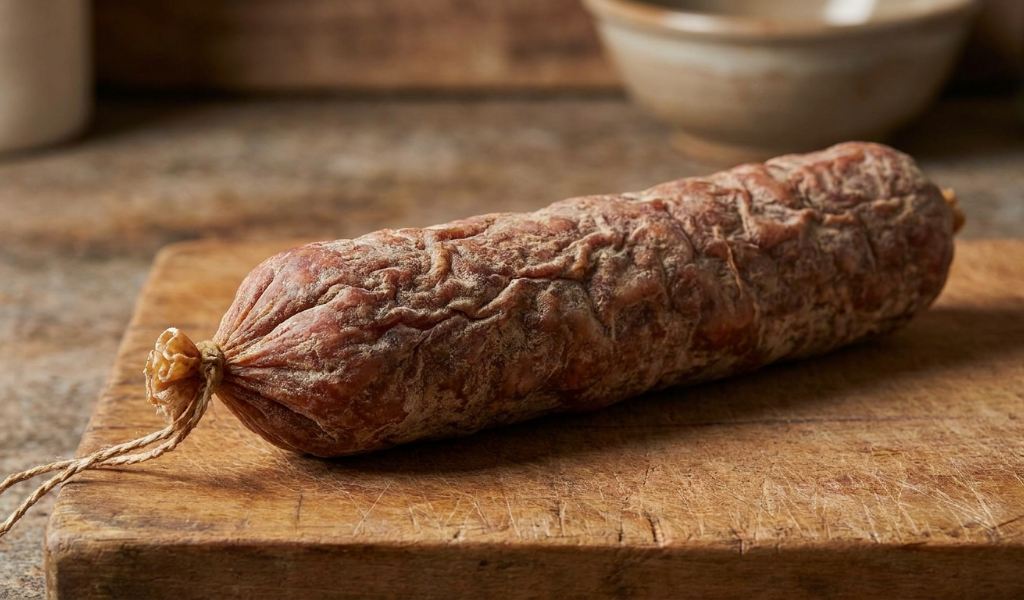
Fix dry Italian sausage by slicing it thinly and simmering it inside savory chicken broth. You can also braise tough links slowly inside rich marinara sauce. These fast rescue techniques restore lost moisture and tenderize dense pork fibers quickly.
Overcooked meat ruins dinner plans for roughly forty percent of home cooks across New York. Recent culinary surveys reveal that sixty percent of urban kitchen mishaps involve excessive cooking heat. Mastering proper Italian sausage cooking prevents dry textures and saves family meals. Therefore, understanding heat control and rehydration methods creates juicy pork every single time. This detailed guide provides reliable solutions to rescue your dry pork links tonight.
Key Takeaways
- Liquid Simmering: Gentle broth baths rehydrate parched meat fibers within twenty minutes of cooking.
- Sauce Braising: Acidic marinara sauce breaks down hard proteins while restoring deep savory juiciness.
- Fine Slicing: Cutting cooked meat thinly allows warm liquids to penetrate dry sausage pieces easily.
- Fat Balancing: Adding olive oil or butter coats lean meat to mimic natural pork moisture.
- Steam Trapping: Covered pans hold trapped humidity to soften tough outer casings and dense interiors.
- Gentle Warming: Low stove temperatures prevent delicate meat proteins from contracting and expelling interior juices.
Why Italian Sausage Dries Out During Cooking
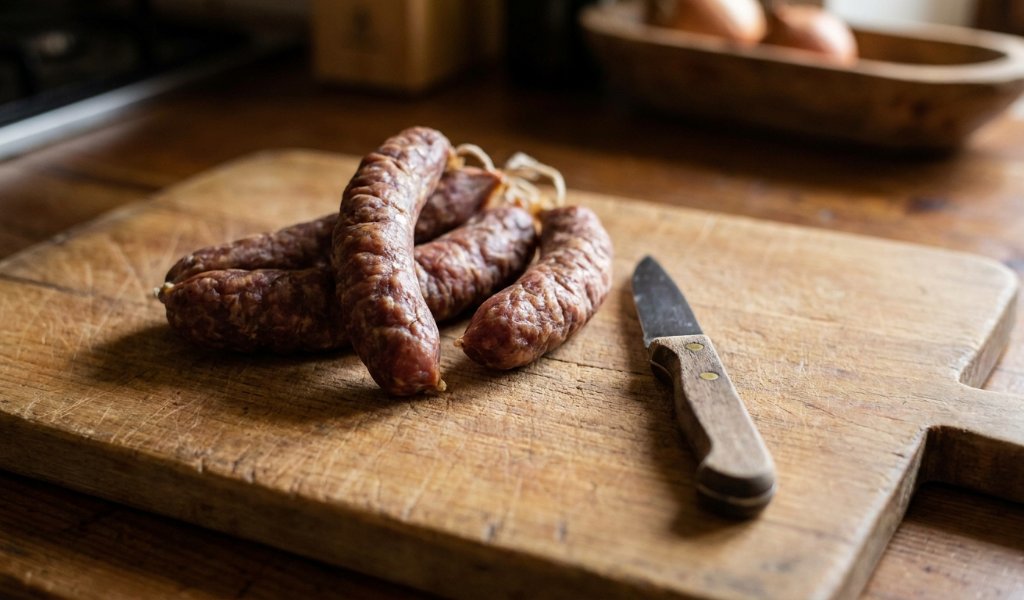
High cooking temperatures frequently cause ground pork proteins to contract violently. Consequently, tight muscle fibers force flavorful juices out into your hot frying pan. Thin skillet bottoms create intense hot spots that scorch casings before interiors cook thoroughly.
Lean ground pork also increases your risk of serving tough meat portions at dinner. Traditional sausages require a thirty percent fat ratio to maintain optimal tenderness during heating. Therefore, purchasing extra lean supermarket varieties often yields dry results after standard skillet cooking.
Puncturing casings with forks during frying drains essential natural fats onto hot cooking surfaces. Furthermore, rapid moisture evaporation leaves dry granules inside the remaining intact skins. Professional cooks always keep casings intact to preserve natural internal fats during skillet searing.
In addition, leaving sausages inside hot pans after cooking finishes draws out residual moisture. Hot metal surfaces continue cooking meat fibers even when your stove burners are off. Thus, removing links immediately to a cutting board preserves critical interior juices.
Simmering Dry Sausage in Flavorful Broth
Simmering provides a direct method to revive parched pork links immediately on your stove. First, pour two cups of low sodium chicken or vegetable stock into a wide skillet. Heat the liquid gently over medium heat until small bubbles begin to rise steadily.
Slice your dried sausage into uniform half inch medallions before adding them to stock. Consequently, hot broth penetrates exposed meat pores much faster than intact whole links. Travelers enjoying san diego food wine tours appreciate similar tender braising traditions across celebrated kitchens.
Cover the skillet tightly with a lid to trap hot aromatic steam inside the pan. Then, let the sausage pieces simmer on low heat for fifteen full minutes. The meat absorbs flavorful liquid while softening tough exterior casing edges completely.
Finally, stir in a tablespoon of unsalted butter right before serving your revived meat. Melted butter creates a silky coating that mimics natural internal fats across every slice. This simple finishing touch transforms previously dry pork into an extraordinarily decadent meal.
Braising Links in Savory Marinara Sauce
Marinara sauce offers another marvelous rescue option for rubbery pork sausages in home kitchens. Natural tomato acidity softens firm meat fibers while adding vibrant Mediterranean herbal flavors. Therefore, classic red sauce transforms dried leftovers into luxurious pasta toppings without expensive ingredients.
Pour your favorite crushed tomato sauce into a heavy Dutch oven promptly. Next, submerge sliced sausage chunks beneath the rich crimson sauce completely to seal out air. Food enthusiasts reviewing dolce salato fest dates often celebrate such classic slow cooked combinations.
Simmer the mixture over low heat for twenty five continuous minutes with the lid on. Meanwhile, stir gently every five minutes to prevent scorching along bottom metal surfaces. The sausage gradually softens as savory tomato juices infuse into dense meat pores.
Serve the saucy sausage slices over freshly boiled pasta or polenta for an elevated dinner. Rich tomato flavors blend seamlessly with Italian seasonings like fennel, garlic, and dried oregano. Everyone at your table will admire the tender texture of the rehydrated meat.
Repurposing Overcooked Links into Delicious Dishes
Sometimes dry sausages resist basic rehydration attempts despite your best culinary efforts on the stove. Fortunately, clever home chefs can grind overcooked meat into rich savory fillings for baked pasta. This practical kitchen strategy eliminates food waste while creating outstanding new family dinners effortlessly.
Pulse tough sausage pieces inside your food processor with fresh creamy ricotta cheese. Afterward, fold the savory mixture into stuffed jumbo pasta shells or rolled manicotti tubes. Fans visiting the vibrant national fried chicken festival admire regional foods. Talented cooks prepare these items with deep culinary ingenuity.
Alternatively, fold finely chopped sausage into morning breakfast scrambles alongside fluffy whisked eggs. Furthermore, melted sharp cheddar cheese provides rich coating fats that mask dry meat textures. Every morning bite stays pleasant and tender when surrounded by warm velvety scrambled eggs.
You can also stir chopped sausage directly into simmering vegetable and bean soups. Hearty minestrone or white bean soup liquids tenderize dense meat cubes over forty minutes. As a result, tough sausage crumbles become meltingly soft morsels throughout the rich soup broth.
Using Cream and Cheese Sauces for Moisture
Rich dairy sauces provide an instant barrier against dry and tough sausage bites. Creamy Alfredo sauces coat meat proteins with rich butterfats that immediately hide dryness. Consequently, tossing sliced sausage into warm parmesan cream creates an indulgent weeknight pasta dish.
Melt four tablespoons of butter in a saucepan over medium heat with minced garlic. Next, whisk in heavy whipping cream and let the mixture bubble gently for three minutes. Stir in grated parmesan cheese until the sauce turns smooth, velvety, and fragrant.
Toss your warm sausage slices directly into the finished cheese sauce before plating. The velvety cream clings to meat surfaces, compensating for missing moisture and internal fats. Additionally, fresh cracked black pepper and chopped parsley add delightful herbal balance to each bite.
You can also bake sausage slices under creamy fontina or mozzarella cheese casseroles. Layer meat medallions with cooked rigatoni and rich bechamel sauce inside a baking dish. The hot oven melts cheese layers down through the meat to ensure supreme tenderness.
Essential Techniques to Prevent Dry Sausage
Preventing dry meat remains far easier than fixing overcooked dinner portions later in the evening. Always purchase high quality pork links containing twenty to thirty percent fat from local butchers. High fat ratios provide crucial thermal protection against accidental scorching during fast weeknight cooking.
Use a dependable digital meat thermometer during every single cooking session in your kitchen. Remove sausages from direct stove heat once internal temperatures reach one hundred sixty degrees Fahrenheit. Consequently, carryover cooking finishes the meat safely without draining valuable interior meat juices.
Avoid high flame settings on your stovetop when searing delicate pork sausage casings. Instead, use gentle medium low heat alongside a splash of clean cooking water. This two stage poaching method cooks meat evenly before crisping exterior skins to golden perfection.
Never poke holes in sausage casings with forks or toothpicks during the browning process. Sealed casings function like miniature pressure cookers, holding valuable liquids around the ground meat. Keeping casings intact ensures that every drop of natural juice remains locked inside.
The Importance of Resting Cooked Meat
Resting meat allows delicious hot juices to redistribute evenly through internal pork muscle fibers. Slicing hot sausages immediately causes pressurized boiling liquids to spill out onto cutting boards. Therefore, always let cooked links rest five minutes under loose sheets of aluminum foil.
Internal moisture stabilizes as outer casings cool down slightly after leaving the hot pan. Consequently, each slice retains maximum juiciness rather than drying out rapidly on dinner plates. Professional chefs emphasize resting as a mandatory step for superior home charcuterie preparation.
In addition, warm resting preserves the crispy snap of natural hog casings during slicing. Sharp chef knives cut cleanly through rested casings without tearing delicate interior meat fibers. Thus, five minutes of patience delivers professional restaurant texture directly to your home table.
Conclusion
Rescuing dry Italian sausage requires only simple kitchen liquids, flavorful sauces, and gentle heat. Simmering in broth or braising in tomato sauce restores moisture and tenderness wonderfully. Furthermore, repurposing tough meat into fillings or pasta bakes prevents disappointing dinnertime food waste.
Upgrade your weeknight cooking today by testing these proven culinary restoration methods on tough links. Monitor your pan temperatures closely during every future meal preparation session in your kitchen. Your family and dinner guests will praise tender, flavorful results across every juicy bite.
FAQs
Can chicken broth soften dry sausage?
Yes, simmering sliced sausage in warm chicken broth rehydrates tough fibers quickly.
Why did my Italian sausage turn rubbery?
Cooking sausage over excessive heat causes muscle proteins to contract and toughen.
Should I boil dry sausage links whole?
Slice links first so warm cooking liquids can penetrate inner meat surfaces.
Does tomato sauce tenderize cooked meat?
Natural tomato acids help soften dense proteins during gentle twenty minute simmers.
What temperature indicates fully cooked sausage?
Pork sausage reaches safe juicy doneness at one hundred sixty degrees Fahrenheit.