
Eating out in Atlanta ruins lipid panels because Southern restaurant traditions rely on butter, lard, and deep-frying. In addition, large portion sizes and hidden commercial sodium spike circulating triglycerides and small dense LDL particles. Choosing grilled proteins, requesting dressings on the side, and limiting fried sides protects cardiovascular health.
Atlanta boasts one of the most celebrated and vibrant dining scenes in North America. Epidemiological health studies indicate that seventy-one percent of Georgia adults dine out at least three times weekly. Furthermore, clinical cardiologists report that frequent restaurant dining increases atherogenic lipid particle counts by thirty-two percent.
Food lovers and busy professionals must navigate Southern culinary menus with conscious metabolic awareness. Spotting the Worst high cholesterol foods on restaurant menus enables diners to avoid dangerous oxidized fats. Mindful dining selections preserve coronary blood vessels while allowing enjoyable social meals.
Key Takeaways
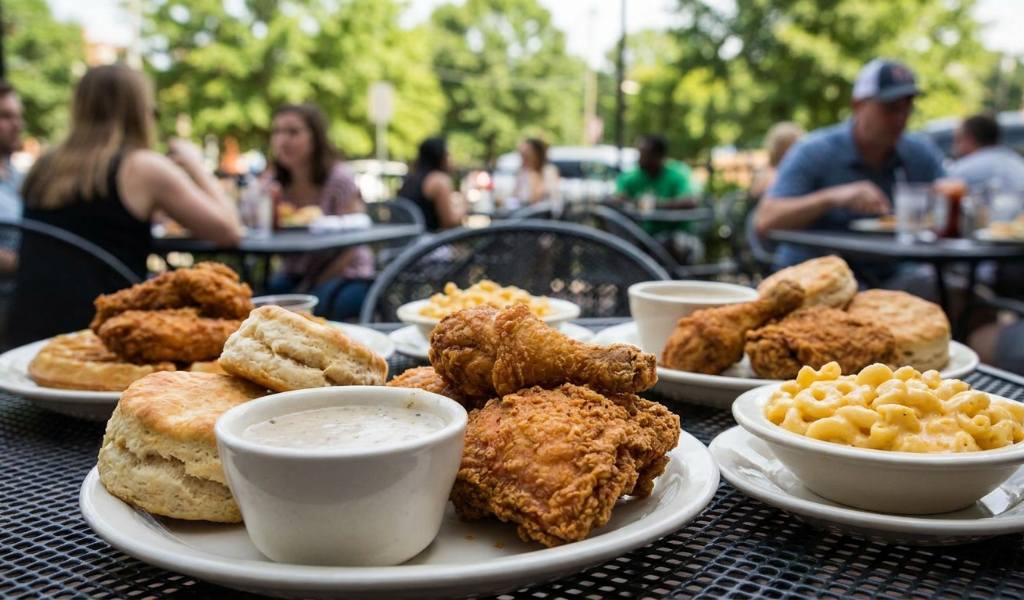
- Animal Fat Saturation: Traditional Southern cooking techniques incorporate heavy amounts of lard, bacon drippings, and butter.
- Deep Frying Hazards: Reused commercial frying oils produce toxic lipid oxidation products that irritate vascular walls.
- Hidden Sodium Density: Commercial restaurant seasonings pack excessive sodium that stiffens arterial linings and elevates pressure.
- Portion Size Inflation: Oversized Southern portions deliver multiple days’ worth of dietary saturated fat in one sitting.
- Cardioprotective Menu Substitutions: Requesting steamed greens, vinaigrettes, and grilled seafood restores nutritional balance effectively.
The Southern Culinary Heritage and Saturated Fats
Atlanta’s legendary food culture celebrates rich comfort classics like buttermilk fried chicken, smoked ribs, and buttery biscuits. Traditional Southern recipes evolved during agrarian eras when laborers required dense caloric fuel for demanding field work. However, modern sedentary urban lifestyles cannot burn off these heavy animal fats.
Commercial restaurant kitchens amplify traditional fat contents to create addictive flavors and velvety mouthfeels. Chefs finish pan sauces with multiple pats of salted butter and season vegetables with smoked pork hocks. Consequently, even vegetable side dishes like collard greens carry substantial loads of animal fat.
These concentrated saturated fats down-regulate hepatic LDL receptor activity within hours of consumption. With fewer receptors clearing circulating lipids, bad cholesterol builds up inside the bloodstream. Over months of routine restaurant dining, circulating LDL particles penetrate arterial walls and initiate inflammatory lesions.
The Perils of Reused Commercial Deep-Frying Oils
Crispy fried foods form the cornerstone of popular Atlanta gastropubs and soul food establishments. Commercial deep fryers hold gallons of oil heated continuously to three hundred seventy-five degrees for days. Repeated thermal stress degrades oil chemistry, creating hazardous free fatty acids, polymers, and cyclic hydrocarbons.
When diners consume foods fried in degraded oils, oxidized lipid compounds enter the lymphatic system directly. Innovative options like algae cooking oil deliver higher smoke points and superior monounsaturated fat profiles. Clean cooking oils resist thermal breakdown, protecting heart tissue from oxidative cellular damage.
Commercial restaurant kitchens rarely discard expensive cooking oils after single shifts due to operating costs. Consuming repeatedly heated fry oil increases circulating oxidized LDL, the most atherogenic form of cholesterol. These damaged particles trigger foam cell formation inside coronary arteries rapidly. Avoiding the deep fryer remains a paramount cardiac defense.
Liquid Sugar, Sweet Tea, and Triglyceride Spikes
No Southern dining table feels complete without a tall glass of freshly brewed sweet tea. Traditional recipes mix up to two cups of refined granulated sugar into each gallon of tea. Downing two or three glasses during dinner floods your bloodstream with massive doses of liquid sucrose.
Unlike whole fruits, sugary beverages lack fiber to slow intestinal carbohydrate absorption. Massive fructose surges overwhelm liver processing pathways, driving de novo lipogenesis directly. The liver converts excess sugar molecules into circulating triglycerides and very low-density lipoproteins within hours.
Learning to brew spiced tea with cinnamon satisfies sweet cravings without added refined sugar. Spices deliver natural sweetness and anti-inflammatory polyphenols that protect vascular linings. Swapping sweet tea for unsweetened herbal infusions stops rapid triglyceride spikes immediately.
Restaurant Sanitation and Hidden Industrial Ingredients
Behind the polished front dining rooms of bustling restaurants lie intense industrial food preparation areas. Heavy grease accumulation on cooking ranges and exhaust hoods represents a constant operational challenge for kitchens. A rigorous commercial kitchen deep clean removes flammable grease buildups and sanitizes prep surfaces.
However, industrial ingredients present invisible hazards for diners watching their blood lipid panels. Commercial dressings, marinades, and sauces frequently rely on partially hydrogenated soybean oils and high-fructose corn syrups. These industrial binders extend shelf life and enhance emulsification at low wholesale cost.
Industrial food additives disrupt normal gut microbiome balance and increase gut barrier permeability. Systemic endotoxins slip into portal circulation, triggering chronic low-grade liver inflammation. Inflamed liver tissues produce more circulating cholesterol and reduce protective high-density lipoprotein synthesis. Eating simple whole foods shields your metabolic pathways from synthetic additives.
The Cardioprotective Dining Strategy in Atlanta
Diners do not need to abandon Atlanta’s magnificent restaurant culture to maintain pristine lipid panels. Making strategic menu modifications allows you to enjoy world-class dining while shielding your arteries. Follow this structured restaurant navigation guide whenever eating out across Midtown or Buckhead:
Begin by reviewing digital menus online before arriving at the restaurant. Choosing your entrée in advance prevents impulsive ordering driven by alluring cooking aromas. Look for dishes described as blackened, grilled, broiled, or wood-roasted.
| Popular Atlanta Menu Item | Primary Atherogenic Risk | Heart-Smart Alternative |
|---|---|---|
| Buttermilk Fried Chicken | Degraded fryer oil and heavy saturated skin | Herb-roasted or blackened chicken breast |
| Creamy Macaroni and Cheese | Saturated dairy fat and refined pasta carbs | Roasted asparagus or grilled seasonal vegetables |
| Traditional Southern Sweet Tea | High-fructose sugar driving liver triglycerides | Unsweetened iced tea with fresh lemon slices |
| Loaded Bacon Cheeseburger | Excess saturated animal fat and processed cheese | Bison burger on whole grain with avocado |
Dangerous Dining Habits to Avoid When Eating Out
Avoid grazing on complimentary bread baskets and warm biscuits placed on tables before meals. Refined wheat rolls and salted honey butter spike insulin levels and prime your liver for fat storage. Politely request that servers remove bread baskets from the table immediately upon seating.
Do not order creamy salad dressings like ranch, blue cheese, or thousand island. These heavy dressings often contain more calories and saturated fat than the main entrée itself. Always ask for extra virgin olive oil and balsamic vinegar served on the side.
Never finish restaurant portions out of polite habit when serving sizes are excessive. Atlanta restaurants serve notoriously generous portions that comfortably satisfy two adults. Request a to-go container as soon as your plate arrives and pack half away immediately.
Heart-Healthy Restaurant Dining Checklist
Maintaining pristine lipid panels requires conscious discipline and clear dining rules. Approaching restaurant menus proactively allows you to protect cardiovascular health effortlessly. Follow this straightforward checklist every time you dine out in Atlanta:
- Review online menus in advance to select cardioprotective grilled or roasted entrées.
- Politely decline complimentary bread baskets, butter dishes, and deep-fried appetizers.
- Order unsweetened iced tea, sparkling water, or dry red wine instead of sweet cocktails.
- Request all sauces, gravies, and salad dressings served in separate side cups.
- Substitute deep-fried french fries with steamed greens or a crisp house salad.
- Pack half of large restaurant portions into take-home containers before eating.
Conclusion
Eating out in Atlanta ruins lipid panels because Southern cooking relies heavily on animal fats and deep-frying. Saturated butter, reused fryer oils, and sugary sweet tea spike bad LDL cholesterol and triglycerides. Making intentional menu substitutions and controlling portion sizes protects your heart without sacrificing culinary pleasure.
Take charge of your cardiovascular wellness and transform your dining habits today. Request olive oil dressings and choose grilled seafood on your next restaurant outing. Protect your arterial health and enjoy Atlanta’s delicious culinary scene with total confidence.
Frequently Asked Questions
Why are Southern vegetable sides often bad for cholesterol levels?
Traditional Southern vegetable recipes season greens with pork fat, bacon drippings, and butter for flavor.
How does reused commercial fryer oil damage cardiovascular health?
Repeatedly heated cooking oils produce oxidized free radicals that inflame arterial walls and accelerate plaque formation.
Does drinking Southern sweet tea raise blood cholesterol levels?
Excessive liquid sugar forces the liver to synthesize large quantities of circulating triglycerides and bad VLDL particles.
What is the most effective way to cut fat when ordering meat?
Requesting poultry or seafood prepared grilled, blackened, or roasted eliminates excess saturated cooking fats.
Can diners ask Atlanta chefs to cook dishes without butter?
Most reputable restaurants happily accommodate dietary requests by preparing vegetables and meats using heart-healthy olive oil.


