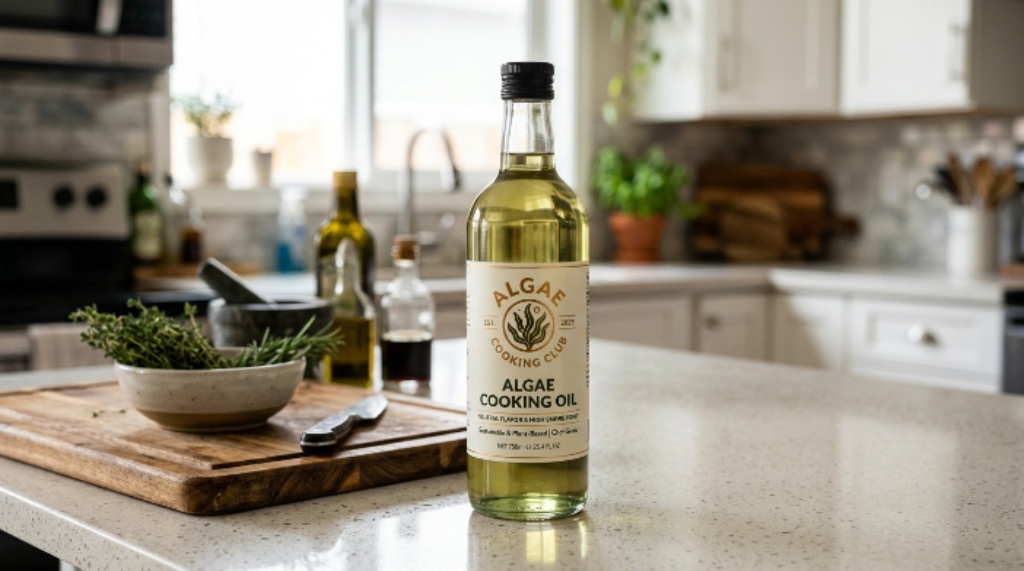
Cooking oils influence flavour, nutrition, and everyday cooking performance. Consumers now seek healthier choices that also reduce environmental impact. Recent industry reports estimate that edible oil demand continues growing worldwide, while sustainable food innovation attracts record investment. Against this backdrop, Algae Cooking Club introduces a fresh alternative using fermented microalgae instead of traditional seed crops. This guide explains how the oil works, why chefs recommend it, and how you can use it confidently in your kitchen.
What Is Algae Cooking Club Algae Cooking Oil?
Algae Cooking Club produces a premium cooking oil created entirely from fermented microalgae. Instead of pressing seeds or fruits, the company grows naturally occurring microalgae through a controlled fermentation process.
The company launched publicly in early 2024 after its 2023 founding by Kas Saidi. The venture studio Squared Circles incubated the business before its commercial release.
The brand also gained industry attention through support from Michelin starred chef Daniel Humm. His endorsement strengthened confidence among professional chefs and home cooks alike.
Unlike many alternative oils, this product focuses equally on nutrition, versatility, flavour, and sustainability. That balanced approach separates it from many traditional cooking oils available today.
How The Oil Is Made
Fermentation Creates The Oil
The production process starts with carefully selected microalgae strains. These microorganisms naturally produce healthy oils during controlled fermentation.
Manufacturers feed the algae plant based nutrients inside specialised fermentation tanks. As the algae grow, they accumulate oils rich in beneficial fats.
After fermentation finishes, technicians extract, refine, and filter the oil. The finished product delivers consistent quality without relying on large agricultural plantations.
No Traditional Seed Pressing
Most cooking oils come from crops requiring farmland, irrigation, harvesting, and processing. Algae Cooking Club follows an entirely different production pathway.
This fermentation method reduces dependence on conventional oil crops. As a result, production can become more efficient while lowering environmental pressure.
Why Microalgae Matter
Microalgae represent one of nature’s oldest and most productive organisms. Scientists have studied their nutritional potential for many decades.
Unlike conventional oil crops, microalgae produce oils through natural biological processes. Therefore, researchers consider them promising ingredients for future food production.
Their cultivation also avoids many agricultural limitations affecting traditional farming. Consequently, innovators continue exploring algae based ingredients across multiple food categories.
Nutritional Highlights
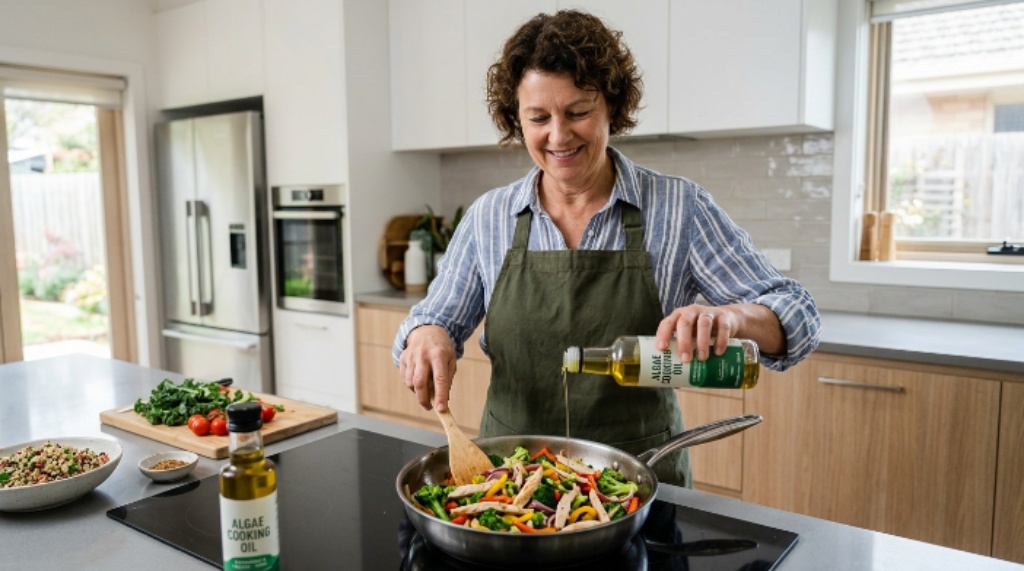
Many shoppers select cooking oils based on nutritional quality. Algae Cooking Club designed its oil to deliver a healthier fat profile without sacrificing cooking performance.
Several nutritional advantages include:
- Rich in heart friendly monounsaturated fats
- Naturally low in saturated fat
- Free from trans fats
- Neutral taste for versatile cooking
- Suitable for many everyday recipes
Balanced fat composition supports healthier meal preparation. However, overall dietary balance remains equally important.
High Heat Cooking Performance
Cooking oils perform differently under high temperatures. Some break down quickly and affect food flavour.
Algae Cooking Club developed its oil for demanding kitchen conditions. Its high smoke point makes it useful across several cooking techniques.
Popular cooking methods include:
- Frying
- Sautéing
- Stir frying
- Roasting
- Grilling
- Baking
- Pan searing
Because the oil remains stable during heating, food retains cleaner flavours. Professional kitchens especially value this consistency.
Mild Taste Improves Versatility
Some cooking oils introduce strong flavours into recipes. That characteristic works well occasionally but limits versatility.
Algae Cooking Club offers a neutral flavour profile instead. Therefore, ingredients remain the primary focus of every meal.
The oil complements vegetables, seafood, poultry, meat, grains, sauces, and baked goods. Even delicate recipes maintain their intended taste.
Sustainability Advantages
Consumers increasingly consider environmental impact alongside nutrition. Food production methods now influence purchasing decisions more than ever.
Microalgae fermentation requires far less agricultural land than many conventional oil crops. Consequently, production may reduce pressure on forests and farmland.
The process also avoids many challenges linked with seasonal crop failures. Manufacturers gain greater production consistency throughout the year.
Additional sustainability benefits include:
- Reduced agricultural land requirements
- Controlled production environments
- Lower dependence on weather conditions
- Efficient resource management
- Innovative biotechnology applications
These characteristics position algae oil as an exciting option for future food systems.
Who Created Algae Cooking Club?
Kas Saidi co founded Algae Cooking Club during 2023. The company formed with a clear mission to improve everyday cooking oils.
Squared Circles incubated the startup before its public launch. This venture studio specialises in developing innovative consumer businesses.
Early public interest grew rapidly after the official product introduction. Consumers appreciated both the health benefits and sustainability message.
Daniel Humm’s Support
Daniel Humm, the acclaimed chef behind Eleven Madison Park, publicly backs the brand. His culinary reputation adds credibility within the professional cooking community.
Professional chefs often demand oils with consistent performance and reliable flavour. Therefore, his support reflects confidence in the product’s practical cooking abilities.
Home cooks also benefit from this endorsement because restaurant standards often translate into better household cooking experiences.
Comparing Algae Oil With Traditional Cooking Oils
Different oils offer unique strengths depending on cooking goals. Understanding those differences helps consumers make informed decisions.
| Feature | Algae Cooking Club Oil | Many Seed Oils |
| Production | Fermented microalgae | Agricultural crops |
| Flavour | Neutral | Mild to strong |
| Heat stability | Excellent | Varies by oil |
| Monounsaturated fats | High | Varies significantly |
| Sustainability focus | Strong | Depends on crop |
Every cooking oil serves different purposes. Nevertheless, algae oil combines several desirable characteristics within one product.
Best Ways To Use Algae Cooking Club Oil
Daily cooking becomes simple because the oil works across numerous recipes. Beginners can easily replace many existing cooking oils.
Excellent uses include:
- Morning scrambled eggs
- Roasted vegetables
- Homemade salad dressings
- Grilled chicken
- Pan seared fish
- Homemade marinades
- Stir fried rice
- Baked pastries
The neutral flavour allows herbs, spices, and fresh ingredients to shine naturally.
Tips For Better Cooking Results
Proper cooking techniques improve both flavour and efficiency. Small adjustments often deliver noticeable improvements.
Avoid overheating empty cookware before adding oil. Instead, warm the pan gradually for better temperature control.
Next, add ingredients promptly after heating reaches cooking temperature. This approach helps preserve consistent cooking performance.
Finally, store the bottle away from direct sunlight and excessive heat. Proper storage supports freshness throughout regular household use.
Who Should Consider Using This Oil?
Health conscious families often appreciate balanced cooking oils. Likewise, frequent home cooks benefit from versatile ingredients.
People reducing highly processed foods may also find this option appealing. Furthermore, environmentally aware shoppers often value innovative sustainable products.
Professional chefs enjoy dependable cooking performance during demanding kitchen service. Meanwhile, beginners appreciate simple everyday versatility.
Common Myths About Algae Cooking Oil
Many people misunderstand algae based foods because the technology feels unfamiliar. Fortunately, scientific research explains the process clearly.
Myth One: It Tastes Like Seaweed
The finished oil has a clean, neutral flavour. It does not resemble seaweed or ocean plants.
Myth Two: It Is Artificial
The oil comes from naturally occurring microalgae grown through fermentation. Fermentation already produces many familiar foods enjoyed worldwide.
Myth Three: It Cannot Handle High Heat
The oil performs exceptionally well during high temperature cooking. Consequently, chefs confidently use it across multiple cooking techniques.
Myth Four: Only Professional Chefs Need It
Anyone preparing meals at home can enjoy its versatility. Everyday recipes benefit from its mild flavour and reliable performance.
Buying Considerations
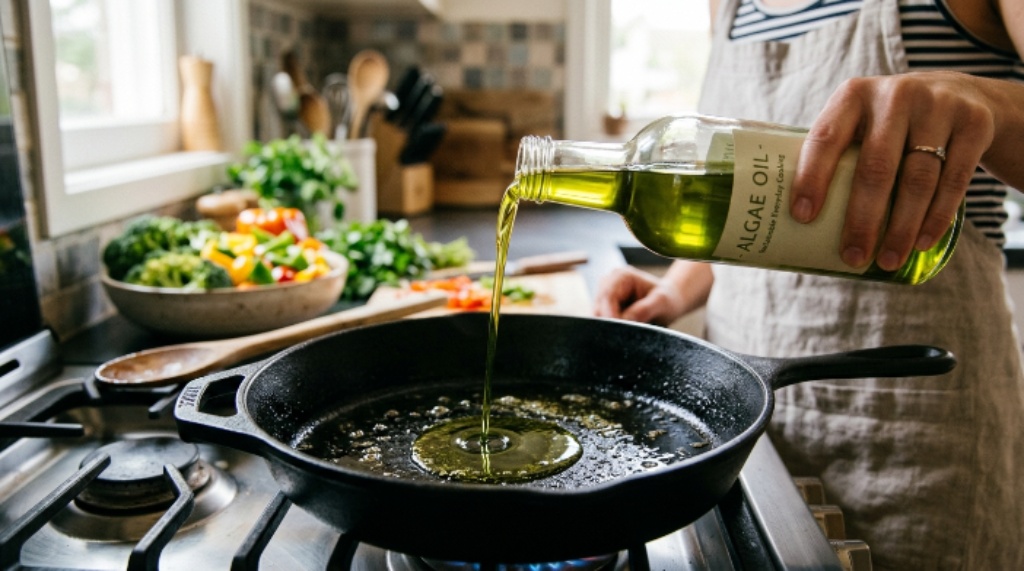
Before selecting any cooking oil, evaluate your personal cooking habits. Different households naturally prioritise different features.
Consider these factors before purchasing:
- Cooking frequency
- Preferred cooking methods
- Nutritional goals
- Sustainability priorities
- Flavour preferences
- Storage space
Matching these priorities helps you choose the right oil for everyday meals.
The Future Of Algae Based Foods
Food biotechnology continues advancing rapidly across the global market. Companies increasingly explore sustainable alternatives to traditional agriculture.
Microalgae ingredients already appear in nutritional supplements, speciality foods, and innovative beverages. Cooking oils represent another exciting expansion.
Continued investment may encourage additional algae based food innovations. Consumers could eventually see broader product choices across grocery shelves.
Final Thoughts
Algae Cooking Club Algae Cooking Oil introduces an innovative approach to everyday cooking by combining biotechnology, nutrition, and sustainability. Its fermentation based production, high heat stability, neutral flavour, and healthier fat profile create an appealing option for modern kitchens. Backing from respected culinary professionals further strengthens its credibility among both chefs and home cooks. If you want a versatile cooking oil that supports healthier meals while embracing food innovation, this product deserves a place on your shopping list.
FAQs
Is Algae Cooking Club Algae Cooking Oil safe for everyday cooking?
Yes, it is designed for regular household cooking across many common recipes.
Does the oil have a strong algae flavour?
No, it has a clean and neutral taste that lets food flavours stand out.
Can I use it for deep frying?
Yes, its high heat stability makes it suitable for frying and other hot cooking methods.
Who founded Algae Cooking Club?
Kas Saidi co founded the company in 2023, and Squared Circles incubated the business.
Why do chefs recommend algae cooking oil?
Many chefs value its neutral flavour, dependable cooking performance, and healthier fat composition.