
Life in Los Angeles moves fast. Long commutes, busy work schedules, and endless activities often push people toward quick meal options. However, many residents now question whether convenience meals truly support their health and lifestyle goals. Studies show that ultra-processed foods make up more than half of the average American diet, while frequent fast-food consumption continues to rise. As awareness grows, many consumers are examining how unhealthy fast food consumption behavior affects their daily choices. Consequently, Los Angeles residents are looking for smarter and more sustainable ways to eat.
The Growing Concern Around Convenience Meal Dependence
Convenience meals once seemed like the perfect solution for busy households. They offered speed, accessibility, and minimal preparation time. Yet many consumers now recognize the hidden costs behind these products. As a result, health concerns have become a major factor in changing purchasing habits.
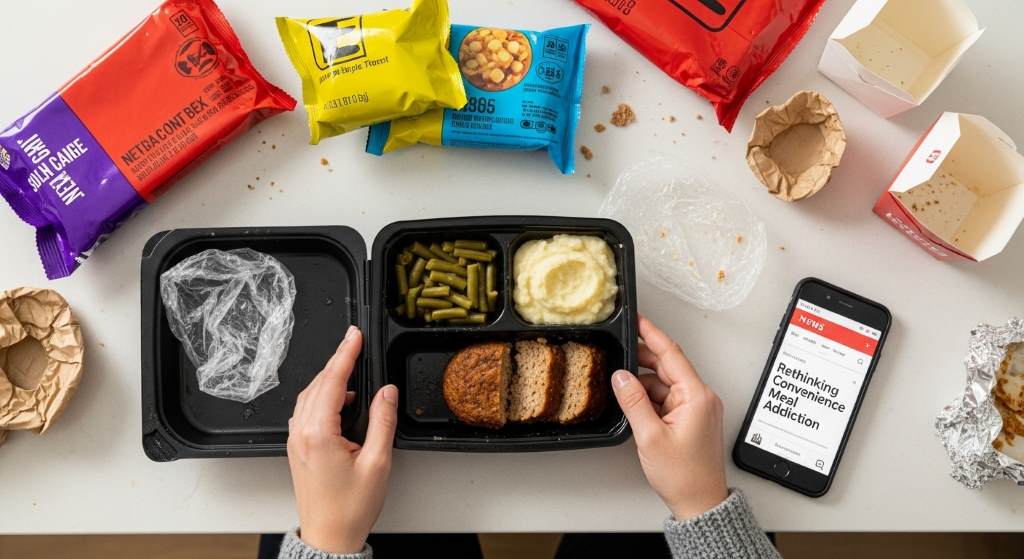
Many packaged meals contain high amounts of sodium, sugar, and preservatives. These ingredients help extend shelf life and enhance flavor. However, they may contribute to long-term health challenges when consumed frequently. Therefore, consumers increasingly seek fresher alternatives.
Los Angeles residents have unique motivations for rethinking convenience meal addiction. The city promotes wellness culture through fitness communities, outdoor activities, and health-conscious restaurants. Consequently, people often compare their eating habits against broader lifestyle goals. This awareness encourages more mindful food decisions.
How Los Angeles Lifestyle Influences Food Choices
Los Angeles offers year-round sunshine and moderate temperatures. Because of the pleasant climate, residents spend more time outdoors than people in many other cities. Outdoor lifestyles naturally encourage healthier eating habits. Therefore, convenience meals often clash with wellness-focused routines.
Beach culture also plays a significant role in shaping dietary behavior. Many people prioritize physical fitness and appearance. As a result, nutritional quality receives greater attention than simple convenience. Consumers increasingly evaluate ingredients before making purchases.
The city’s diverse food scene further influences attitudes toward processed meals. Fresh produce markets, local farms, and healthy restaurants provide countless alternatives. Consequently, residents have easier access to nutritious options. This availability makes convenience meal dependence less appealing.
The Hidden Psychology Behind Convenience Meal Addiction
Reward Loops and Habit Formation
Convenience meals often trigger powerful reward mechanisms. Quick preparation creates instant satisfaction after a stressful day. Over time, this pattern becomes a habit that feels difficult to break. Therefore, consumers may continue choosing convenience over nutrition.
Food manufacturers understand these behavioral patterns well. They design products with specific combinations of fat, sugar, and salt. These combinations encourage repeat purchases and cravings. As awareness grows, consumers are becoming more skeptical of these strategies.
The Comfort Factor
Many people associate convenience foods with comfort and familiarity. During busy periods, familiar meals reduce decision fatigue. However, reliance on these foods can limit dietary variety. Consequently, consumers may miss important nutrients found in fresh foods.
Los Angeles residents increasingly recognize this emotional connection. Rather than eliminating comfort foods entirely, many choose balanced approaches. They focus on moderation instead of strict restrictions. This mindset creates sustainable dietary improvements.
Health Awareness Is Driving Change
Access to health information has expanded dramatically in recent years. Social media, wellness podcasts, and nutrition experts share practical guidance daily. Consequently, consumers understand ingredient labels more effectively. Better knowledge supports informed food decisions.
Many Los Angeles families now prioritize whole foods over heavily processed alternatives. Fresh fruits, vegetables, lean proteins, and whole grains receive greater attention. As a result, grocery shopping habits continue to evolve. Health-conscious consumers increasingly value quality over convenience.
Home food preparation has also gained popularity. People appreciate knowing exactly what goes into their meals. For example, many individuals enjoy learning make homemade nut milk methods to control ingredients and avoid unnecessary additives. Small lifestyle changes often lead to lasting improvements.
A Unique Factor: Environmental Awareness and Meal Addiction
One overlooked reason consumers are rethinking convenience meals involves environmental concerns. Many packaged meals generate significant plastic and packaging waste. As sustainability awareness grows, consumers increasingly consider the environmental impact of their food choices. This factor rarely receives enough attention in mainstream discussions.
Los Angeles has become a leader in sustainability initiatives. Residents frequently support eco-friendly practices and local sourcing efforts. Therefore, highly packaged convenience meals often conflict with environmental values. Consumers increasingly seek products that align with both health and sustainability goals.
Preparing food at home can significantly reduce packaging waste. Additionally, local farmers markets offer opportunities to purchase fresh ingredients with minimal environmental impact. This combination appeals to environmentally conscious households. Consequently, convenience meal addiction faces new challenges from sustainability movements.
The Financial Impact of Convenience Meals
Many consumers initially believe convenience meals save money. However, repeated purchases often create higher long-term expenses. Individually priced meals may seem affordable at first. Yet the cumulative cost becomes substantial over time.
Los Angeles residents face a high cost of living. Therefore, budget-conscious households carefully evaluate food spending habits. Many discover that meal planning and home cooking provide better value. These savings become especially meaningful during periods of economic uncertainty.
Preparing meals from basic ingredients also increases flexibility. Families can create multiple servings at lower costs. Furthermore, leftovers reduce food waste and future meal expenses. This practical advantage encourages healthier eating habits.
Climate-Specific Food Choices in Los Angeles
The warm climate creates unique opportunities for healthy eating. Fresh salads, fruit bowls, smoothies, and grilled vegetables fit naturally into daily routines. Unlike colder regions, residents rarely require heavy comfort foods year-round. Consequently, fresh meal options remain attractive throughout the seasons.
Summer temperatures often increase demand for hydrating foods. Watermelon, cucumbers, berries, and citrus fruits become popular choices. These foods offer nutritional benefits while supporting hydration needs. Therefore, many consumers naturally gravitate toward fresher alternatives.
Storage practices also matter in warmer climates. People increasingly learn proper food preservation techniques, including how to store shea butter and other natural products safely in changing temperatures. This broader awareness often extends to food storage and meal preparation habits.
Practical Ways Consumers Are Breaking the Cycle
Meal Planning Strategies
Many households now dedicate time each week to meal planning. This simple habit reduces impulsive purchases and fast-food visits. Furthermore, planned meals create consistency and reduce stress. As a result, consumers gain greater control over dietary choices.
- Create a weekly meal schedule.
- Prepare ingredients in advance.
- Keep healthy snacks readily available.
- Shop with a structured grocery list.
Building Better Convenience
Consumers do not need to eliminate convenience entirely. Instead, they can choose healthier forms of convenience. Pre-cut vegetables, frozen fruits, and ready-to-cook proteins save time while maintaining nutritional value. This balanced approach often proves more sustainable.
Many Los Angeles professionals now batch-cook meals during weekends. They store portions for busy weekdays. Consequently, healthy options remain accessible even during hectic schedules. Convenience and nutrition can successfully coexist.
The Role of Family and Community
Social influences strongly affect food behavior. Families often shape eating habits through shared routines and traditions. Therefore, positive household changes can create lasting improvements. Children especially benefit from exposure to healthier meal options.
Community support also encourages better choices. Farmers markets, cooking classes, and wellness groups provide valuable resources. These environments make healthy eating more enjoyable and accessible. Consequently, consumers feel less dependent on convenience foods.
Even pet owners sometimes become more mindful about nutrition after researching topics like how fast dogs digest food and understanding dietary needs across species. This curiosity often extends to evaluating personal eating habits as well.
The Future of Food Habits in Los Angeles
Consumer preferences continue to evolve rapidly. Health awareness, environmental concerns, and financial considerations increasingly shape purchasing decisions. Therefore, convenience meal addiction faces growing resistance from informed consumers. The trend appears likely to continue.
Food companies are responding by introducing healthier prepared options. Many brands now emphasize cleaner ingredient lists and transparent labeling. As competition increases, consumers benefit from improved choices. This shift may redefine convenience food standards in the coming years.
Los Angeles remains an influential trendsetter for lifestyle and wellness movements. Changes that begin locally often spread across the country. Consequently, the city’s evolving relationship with convenience meals may influence broader consumer behavior nationwide.
Conclusion
Why Los Angeles, CA Consumers Are Rethinking Convenience Meal Addiction reflects a larger shift toward healthier and more intentional living. Residents increasingly recognize the physical, emotional, financial, and environmental costs associated with excessive reliance on convenience meals. Furthermore, the city’s climate, wellness culture, and access to fresh foods support positive dietary changes. By planning meals, choosing whole foods, and building sustainable habits, consumers can regain control of their eating patterns. Start making small improvements today and create a healthier relationship with food for the future.
FAQs
Why are Los Angeles consumers reducing convenience meal consumption?
Many residents want healthier, fresher, and more sustainable food options.
Are convenience meals always unhealthy?
No, but many highly processed options contain excessive sodium, sugar, and preservatives.
How does Los Angeles weather influence food choices?
The warm climate encourages fresh, lighter meals and year-round produce consumption.
Can meal planning reduce convenience meal dependence?
Yes, meal planning helps people make intentional food choices and avoid impulse purchases.
What is the first step to breaking convenience meal addiction?
Start by replacing a few processed meals each week with simple home-cooked alternatives.