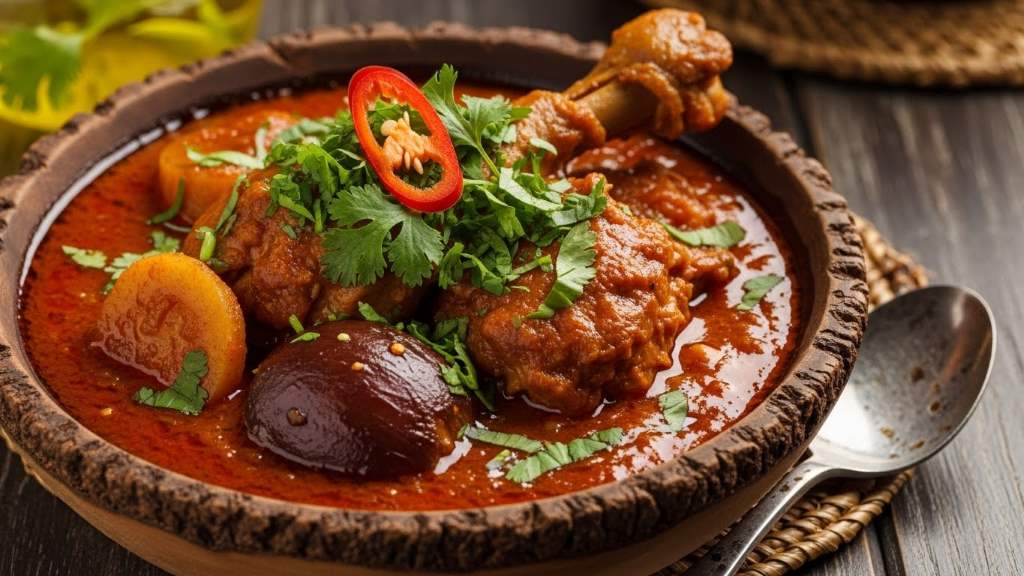
Imagine savoring a hearty stew that bursts with flavors from Africa’s heart. Traditional Angolan muamba chicken with palm butter sauce brings warmth and tradition to your table. This dish adapts perfectly to slow cooking. Cooks prepare it with tender chicken, rich palm oil, and fresh vegetables. The slow method enhances every bite. According to Statista, Angola’s food market amounts to US$23.65 billion in 2025, showing growing interest in local cuisines. Additionally, a USDA report notes Angola imports over $2.1 billion in food annually. These figures highlight the global appeal of Angolan dishes like muamba.
What Is Muamba de Galinha?
Muamba de galinha stands as Angola’s national dish. People know it as a flavorful chicken stew. The name comes from Kimbundu language. It means a comforting meal shared with family. Chefs use red palm oil, which gives the sauce its vibrant color. They add chicken pieces, onions, garlic, and spices. Vegetables like okra and butternut squash thicken the mix. Furthermore, chili peppers bring a subtle heat. This combination creates a thick, savory sauce. Many enjoy it for its unique taste. The palm butter sauce clings to the chicken beautifully. Slow cooking makes preparation simple for busy days.
Angolan cuisine blends African roots with Portuguese influences. Colonizers introduced new ingredients long ago. Yet, locals kept traditional elements strong. Palm oil remains central. It comes from palm fruit. This oil adds nutty depth. Moreover, the dish varies by region. Some areas use more vegetables. Others focus on spices. In essence, muamba represents community gatherings. Families cook it for celebrations. The slow version fits modern kitchens well. You achieve authentic flavors without constant stirring.
History and Cultural Significance
Angola’s history shapes its food. Indigenous tribes first used palm oil. They extracted it from native palms. Portuguese arrivals in the 15th century changed recipes. They brought chickens and new cooking methods. Over time, muamba evolved. It fused local and foreign elements. Historians note its presence in Central Africa. Similar stews appear in Congo and Gabon. However, Angola claims it as national pride. The dish symbolizes resilience. People endured colonialism and wars. Yet, they preserved culinary traditions.
Culturally, muamba unites people. Families prepare it for holidays. Weddings often feature this stew. Guests share stories over plates. Additionally, it reflects Angola’s biodiversity. Palm trees grow abundantly. Farmers harvest fruit sustainably. In recent years, global interest rises. Chefs worldwide adapt it. For instance, CNN highlights Angolan superfoods like cassava. This trend boosts cultural exchange. Slow cooking preserves heritage. You connect with Angolan roots from home. The dish tells a story of survival and joy.
Nutritional Benefits of Key Ingredients
Red palm oil powers this dish. It offers rich health perks. Scientists praise its vitamin content. Red palm oil contains 15 times more carotenoids than carrots. These convert to vitamin A in your body. Vitamin A supports eye health. Moreover, it boosts immunity. A PubMed study shows it reduces heart disease risks. The oil inhibits cholesterol buildup. Antioxidants like vitamin E protect cells. They fight inflammation effectively.
Chicken provides lean protein. It builds muscles and repairs tissues. Vegetables add fiber and vitamins. Okra aids digestion. Butternut squash delivers beta-carotene. Garlic fights infections naturally. Overall, the stew balances nutrients. It suits balanced diets. However, moderation matters with oils. The slow method retains vitamins better. Heat breaks them down less. Enjoy muamba for taste and wellness. It nourishes body and soul.
Ingredients for the Slow Cooker Version
Gather fresh items for best results. You need simple staples. Start with chicken thighs or drumsticks. Bone-in pieces add flavor. Use about two pounds. Next, grab red palm oil. Four tablespoons suffice. It creates the palm butter sauce. Onions come next. Chop two large ones. They build the base. Garlic cloves enhance aroma. Mince four or five. Tomatoes provide acidity. Dice three ripe ones. Butternut squash adds sweetness. Cube one medium squash.
Okra thickens naturally. Slice a cup fresh. Chili peppers bring heat. Add one or two chopped. Lemon juice marinates chicken. Squeeze from one lemon. Paprika and cayenne spice it up. Use two teaspoons each. Chicken stock moistens everything. Pour in two cups. Salt seasons to taste. Optionally, add peanut butter. It enriches sauce in variations. These ingredients yield six servings. Shop at African markets for authentic palm oil. Fresh produce elevates the dish.
- 2 lbs bone-in chicken thighs or drumsticks
- 4 tbsp red palm oil
- 2 large onions, chopped
- 4-5 garlic cloves, minced
- 3 ripe tomatoes, diced
- 1 medium butternut squash, cubed
- 1 cup okra, sliced
- 1-2 chili peppers, chopped
- Juice of 1 lemon
- 2 tsp paprika
- 2 tsp cayenne pepper
- 2 cups chicken stock
- Salt to taste
Step-by-Step Slow Cooker Recipe
Prepare your slow cooker first. Set it to low. Marinate the chicken. Mix lemon juice, garlic, paprika, cayenne, and salt. Rub this over chicken pieces. Let it sit for 30 minutes. Flavors infuse deeply. Heat palm oil in a skillet. Brown the chicken. Cook each side for three minutes. This seals juices. Transfer chicken to the slow cooker. Use the same skillet next. Sauté onions until soft. Add remaining garlic. Stir for a minute.
Add tomatoes to the skillet. Cook until they break down. This forms the sauce base. Pour in chicken stock. Scrape flavorful bits. Add squash, okra, and chilies. Mix everything well. Transfer this mixture to the slow cooker. Cover the chicken completely. Set cooker to low for six to eight hours. Alternatively, use high for three to four hours. Chicken becomes tender. Stir occasionally if possible. The sauce thickens naturally. Taste and adjust salt. Serve hot. This method simplifies traditional cooking.
- Marinate chicken with lemon juice, garlic, paprika, cayenne, and salt for 30 minutes.
- Heat palm oil in a skillet and brown chicken on all sides.
- Transfer browned chicken to the slow cooker.
- In the same skillet, sauté onions and garlic until fragrant.
- Add tomatoes and cook until softened.
- Pour in chicken stock, squash, okra, and chilies; bring to a simmer.
- Add the vegetable mixture to the slow cooker over the chicken.
- Cook on low for 6-8 hours or high for 3-4 hours.
- Stir and check seasoning before serving.
Tips for Perfect Muamba Chicken
Choose quality palm oil. Look for unrefined red versions. They retain nutrients. Avoid processed types. Fresh chicken matters too. Free-range options taste better. Marinate longer for deeper flavor. Overnight works wonders. Brown meat well. It adds caramelized notes. Use fresh vegetables. Frozen okra changes texture. Adjust spice levels. Start mild and add more. Stir in peanut butter optionally. It creates a creamier sauce.
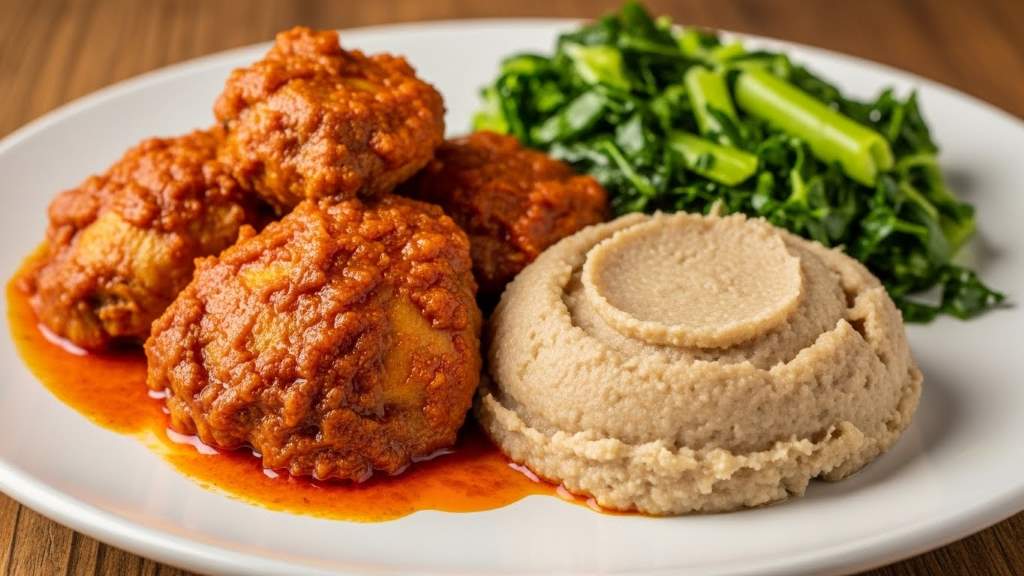
Monitor cooking time. Overcooking dries chicken. Test with a fork. It should shred easily. Add water if needed. Sauce consistency varies. Serve with sides. Funge complements perfectly. Make it from cassava flour. Experiment with herbs. Cilantro freshens it up. Store leftovers properly. Refrigerate for three days. Reheat gently. These tips ensure success. You master the dish quickly.
Variations and Modern Twists
Traditional muamba uses chicken. Try fish instead. It lightens the meal. Vegetarians opt for tofu. It absorbs flavors well. Add peanuts for nutty crunch. Some regions include eggplant. It soaks up sauce. Use coconut milk alternatively. It softens palm oil’s intensity. Slow cooker allows experiments. Add bell peppers for color. They sweeten naturally.
Global chefs adapt it. Fusion versions pair with rice. Quinoa offers a healthy twist. Spice with curry powder. It blends African and Indian notes. Make it vegan. Use mushrooms as meat substitute. These variations keep it exciting. Respect origins though. Core elements define muamba. Innovate thoughtfully. You create personal favorites.
Serving Suggestions and Pairings
Serve muamba hot. Spoon over funge. This cassava porridge absorbs sauce. Rice works too. It catches every drop. Plantains add sweetness. Fry them lightly. Fresh salads refresh the palate. Cucumber and tomato mix well. Bread sopps up extras. Crusty loaves suit.
Pair with beverages. Light beers cool spice. Fruit juices complement flavors. Mango or pineapple refreshes. Wine lovers choose reds. They match richness. For dessert, keep it simple. Fresh fruit ends nicely. These pairings enhance enjoyment. Gather friends. Share the meal. It fosters connections.
Related:
Wrong Breakfast Drink Choices and Blood Sugar
Top Staffing Mistakes Restaurants Make for Lunch Shift
Health Considerations and Dietary Adaptations
Muamba offers balanced nutrition. Protein from chicken supports energy. Vitamins from oil boost health. However, watch portions. Oils add calories. Choose lean cuts. They reduce fat. Gluten-free naturally. It fits many diets. Low-carb with veggies.
Adapt for restrictions. Use low-sodium stock. It controls salt. Nut allergies avoid peanuts. Skip optional additions. Diabetics monitor squash. It has natural sugars. Consult doctors if needed. Overall, it promotes wellness. Enjoy mindfully. The dish nourishes without excess.
Conclusion
Traditional Angolan muamba chicken with palm butter sauce delights with rich flavors. Slow cooking simplifies preparation. You explored its history, benefits, and recipe. Key ingredients like palm oil shine. Tips and variations add versatility. This stew connects cultures. Make it your next meal. Try the recipe today and savor Angola’s essence.
FAQ: What Makes Muamba de Galinha Angola’s National Dish?
Angola claims muamba as national pride. It blends local palm oil with chicken. Cultural events feature it often. The dish represents heritage and unity.
FAQ: Can I Make Muamba Chicken Without Palm Oil?
Substitutes exist. Use peanut oil instead. It mimics nutty taste. However, palm oil defines authenticity. Adjust for preferences.
FAQ: How Long Does Slow Cooker Muamba Take?
Low setting needs six to eight hours. High takes three to four. Chicken tenderizes perfectly. Check doneness midway.
FAQ: Is Red Palm Oil Healthy?
Yes, it provides vitamins A and E. Antioxidants support health. Studies show heart benefits. Use in moderation.
FAQ: What Sides Go Best with Muamba?
Funge pairs traditionally. Rice absorbs sauce well. Plantains add sweetness. Salads refresh the meal.
References