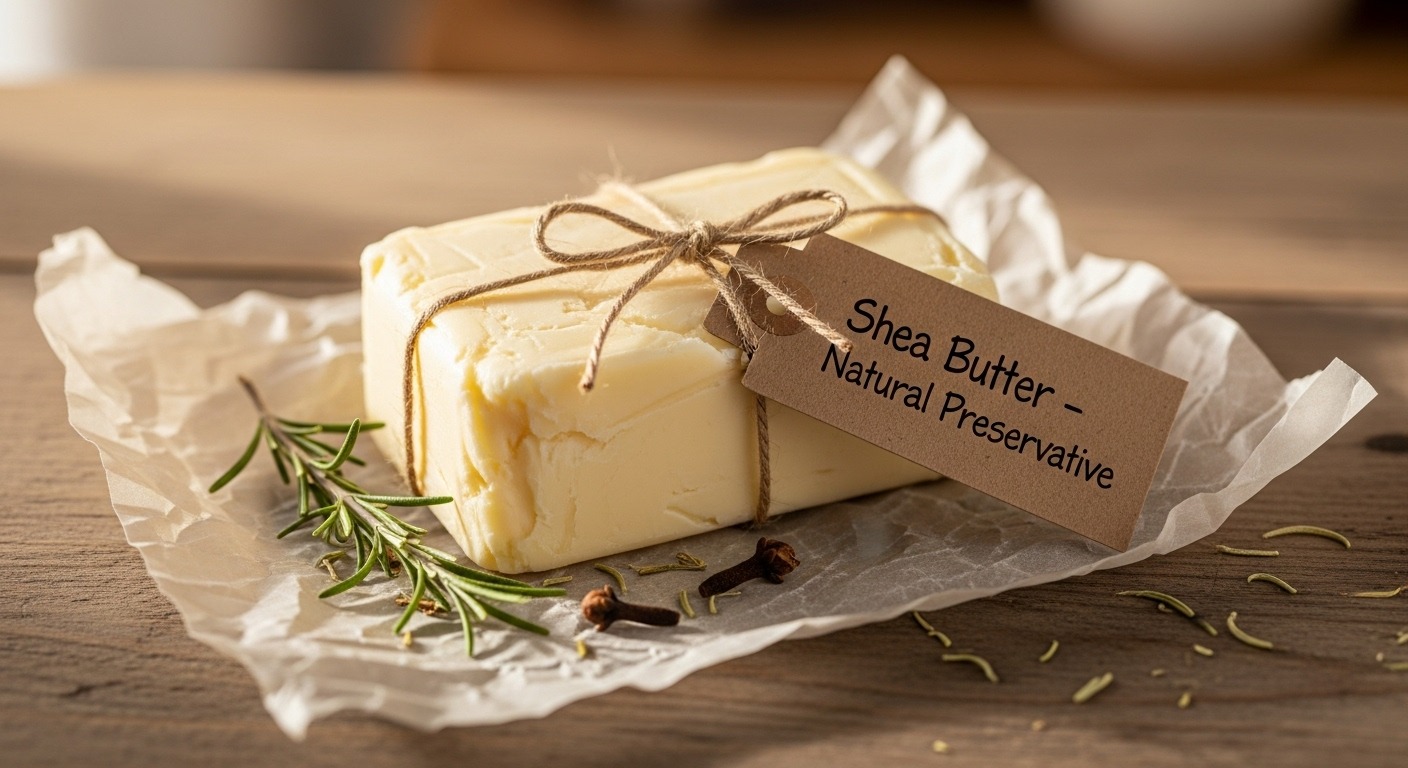
The best way to store shea butter is in an airtight container, away from heat, light, air, and moisture, at a stable temperature between 15–25°C (59–77°F).
Shea butter is a natural fat extracted from the nuts of the African shea tree. Because it contains no synthetic preservatives, it can spoil if stored incorrectly. Many people buy raw shea butter in bulk and later notice changes in smell, texture, or color. That usually means improper storage.
This guide explains how to store shea butter properly so it stays fresh, safe, and effective for as long as possible. You’ll learn what causes spoilage, where most people go wrong, and how to fix it using simple, proven storage methods.
If you use shea butter for skincare, hair care, DIY cosmetics, or resale, correct storage is not optional. It directly affects shelf life, performance, and safety.
Why Does Shea Butter Spoil When Stored Incorrectly?
Short answer: Shea butter spoils due to oxidation, heat exposure, moisture contamination, and microbial growth.
Shea butter is rich in fatty acids like oleic and stearic acid. These fats are stable but not immune to damage. When exposed to oxygen, heat, or water, they begin to oxidize.
Common causes of spoilage
- Air exposure: Oxygen reacts with fats, leading to rancidity.
- Heat: High temperatures speed up oxidation.
- Light: UV rays break down fatty acids.
- Moisture: Water encourages mold and bacteria growth.
- Dirty handling: Using wet or unclean hands introduces microbes.
A 2021 cosmetic stability study found that unrefined plant butters stored above 30°C showed oxidative degradation up to 3× faster than samples stored at room temperature.
How Should Shea Butter Be Stored at Home?
Short answer: Store shea butter in a cool, dry place using an airtight, opaque container.
Home storage is simple if done right. The goal is to reduce exposure to air, heat, light, and moisture.
Best storage conditions
- Temperature: 15–25°C (59–77°F)
- Humidity: Low
- Light: Minimal or none
Best places to store shea butter
- Kitchen cabinet away from stove
- Bedroom drawer
- Closet shelf
Avoid bathrooms. Steam and humidity make spoilage more likely.
What Type of Container Is Best for Storing Shea Butter?
Short answer: Airtight glass or high-quality plastic containers work best.
The container matters more than most people think. Poor containers allow air exchange and moisture intrusion.
| Container Type | Recommended | Why |
|---|---|---|
| Glass jar with lid | Yes | Non-reactive, airtight |
| HDPE plastic jar | Yes | Lightweight, safe for oils |
| Metal tin | Sometimes | Only if lined and airtight |
| Open bowl | No | High air and moisture exposure |
Opaque containers are better than clear ones. Light exposure slowly degrades nutrients like vitamin E.

Should Shea Butter Be Refrigerated or Frozen?
Short answer: Refrigeration is optional; freezing is not recommended unless storing long-term.
Shea butter is stable at room temperature. Refrigeration can extend shelf life but may change texture.
Refrigeration pros and cons
- Pros: Slows oxidation, extends shelf life
- Cons: Hard texture, condensation risk
If you refrigerate, keep shea butter in an airtight container and let it return to room temperature before opening.
Freezing can cause graininess due to fat crystallization. It’s only useful for bulk, unopened storage.
How Long Does Shea Butter Last When Stored Properly?
Short answer: Properly stored shea butter lasts 12–24 months.
Shelf life depends on refinement level and storage conditions.
| Type | Average Shelf Life |
|---|---|
| Unrefined shea butter | 12–18 months |
| Refined shea butter | 18–24 months |
A cosmetic supplier case study showed that unrefined shea butter stored in airtight jars at 22°C retained acceptable peroxide values for 18 months.
How Can You Tell If Shea Butter Has Gone Bad?
Short answer: Rancid smell, sour odor, mold, or sticky texture indicate spoilage.
Signs of spoiled shea butter
- Sharp or sour smell
- Yellowing or dark spots
- Mold growth
- Unusual stickiness
Fresh shea butter smells nutty or neutral. If the smell makes you hesitate, don’t use it on skin.
How Should Shea Butter Be Handled to Avoid Contamination?
Short answer: Always use clean, dry hands or a spatula.
Most spoilage happens after opening. Every contact introduces bacteria.
Best handling practices
- Use a cosmetic spatula
- Wash hands before use
- Never add water
- Close lid immediately after use
Microbial contamination increases rapidly when water is introduced, even in small amounts.
How to Store Shea Butter Properly for DIY Cosmetics?
Short answer: Store raw shea butter separately and only melt what you need.
Repeated heating degrades fatty acids. Melt shea butter using low heat and store finished products separately.
Label DIY batches with production dates. This helps track freshness and safety.
How to Store Shea Butter in Hot or Humid Climates?
Short answer: Use airtight containers and temperature-stable storage.
In tropical regions, heat accelerates spoilage. Keep shea butter away from windows and appliances.
Some small-scale producers in West Africa store shea butter in sealed clay containers underground, where temperatures remain stable.
Conclusion: How to Store Shea Butter the Right Way
Shea butter doesn’t spoil quickly, but it does spoil when neglected. Most issues come from air, heat, and moisture. The fix is simple.
Store shea butter in an airtight container. Keep it cool and dry. Handle it cleanly. Avoid repeated melting. Follow these steps and you’ll protect its texture, nutrients, and shelf life.
If you rely on shea butter for skincare, business, or daily use, proper storage saves money and prevents waste.
Call to Action: If you found this guide helpful, bookmark it, share it with someone who uses shea butter, or explore our other storage guides for natural oils and butters.
Frequently Asked Questions About Storing Shea Butter
Can shea butter spoil even if it smells okay?
Yes. Early oxidation may not smell strong. Changes in texture or color can appear first.
Is it safe to use expired shea butter on skin?
No. Rancid oils can cause irritation or breakouts.
Does adding vitamin E extend shelf life?
Yes. Vitamin E slows oxidation but does not stop contamination.
Can I store shea butter in plastic bags?
No. Bags allow air exposure and contamination.
Should whipped shea butter be stored differently?
Yes. Whipped products are more exposed to air and should be used faster.
Does refined shea butter store better than unrefined?
Yes. Refined shea butter has a longer shelf life.
Related Topics: Egypt Country Food: Ancient Recipes Still Cooked Today
Related Topics: Jamaican Foods With Unique Texture and Mouthfeel